ABOUT
We are an architecture-led, multidisciplinary studio working across architecture, interior, engineering, construction, and technology.
We officially began our journey in January 2013 under the name design build consultant. That marked the formal start of our professional practice. In the early years, our office was based in Mirsarai, after which we expanded to GEC and later to Khulshi as our work and team continued to grow.
In 2018, we refined our identity and rebranded as Graph Interior & Architecture , reflecting a clearer vision and a broader scope of services. Around the same time, our contracting and construction wing, Ahmmadia Engineering Corporation, also began its operations, strengthening our ability to deliver complete design-and-build solutions. Today, we provide end-to-end services in architecture, interior, civil construction, engineering coordination, and landscape works. Our projects include residential buildings, duplexes, triplexes, schools, mosques, madrasas, and large-scale interior developments across different parts of Bangladesh.
To further support our integrated workflow, we started Graph materia in 2024, focusing on material import, supply, and sales. We are also preparing to launch nirmana, a product-based division, along with smart home and building automation services in collaboration with a partner company from Oman.
With multiple offices across Bangladesh, our team works across architecture, interior, civil engineering, MEP and electrical systems, firefighting solutions, automation, and full project execution. We operate as one coordinated team to ensure quality, consistency, and timely delivery. We believe good architecture comes from clear ideas, practical solutions, and careful execution. Our goal is to create spaces that are functional, reliable, and meaningful for the people who use them.
Graph Interior & Architecture continues to grow with a focus on quality, clarity, and long-term value.

AIM
To deliver practical, well-designed, and reliable architectural and interior solutions by integrating design, engineering, and construction under one system.
Vision
To grow as a trusted architecture and engineering practice in Bangladesh by creating functional, sustainable, and technology-driven spaces that respond to present and future needs.
Our Journey
2013
Foundation
Officially began our journey under the name Design Build Consultant in Mirsarai.
2018
Rebranding & Expansion
Rebranded as Graph Interior & Architecture. Ahmmadia Engineering Corporation began operations.
2024
Material Integration
Started Graph Materia, focusing on premium material import, supply, and sales.
2026
Future & Automation
Preparing to launch Nirmana, focusing on product-based divisions and smart building automation.
Architecture
Architecture that responds to context, climate, and community needs.
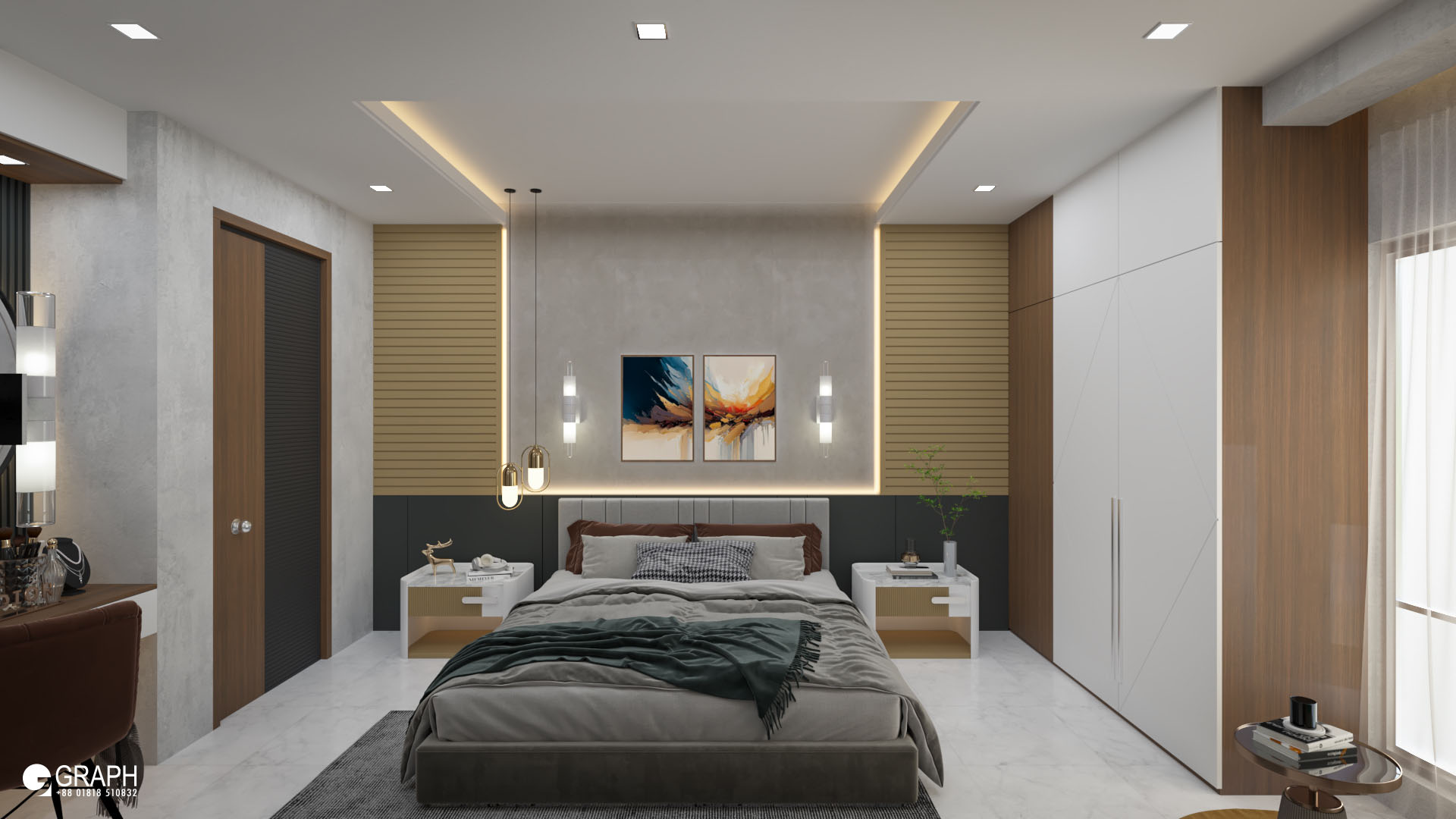
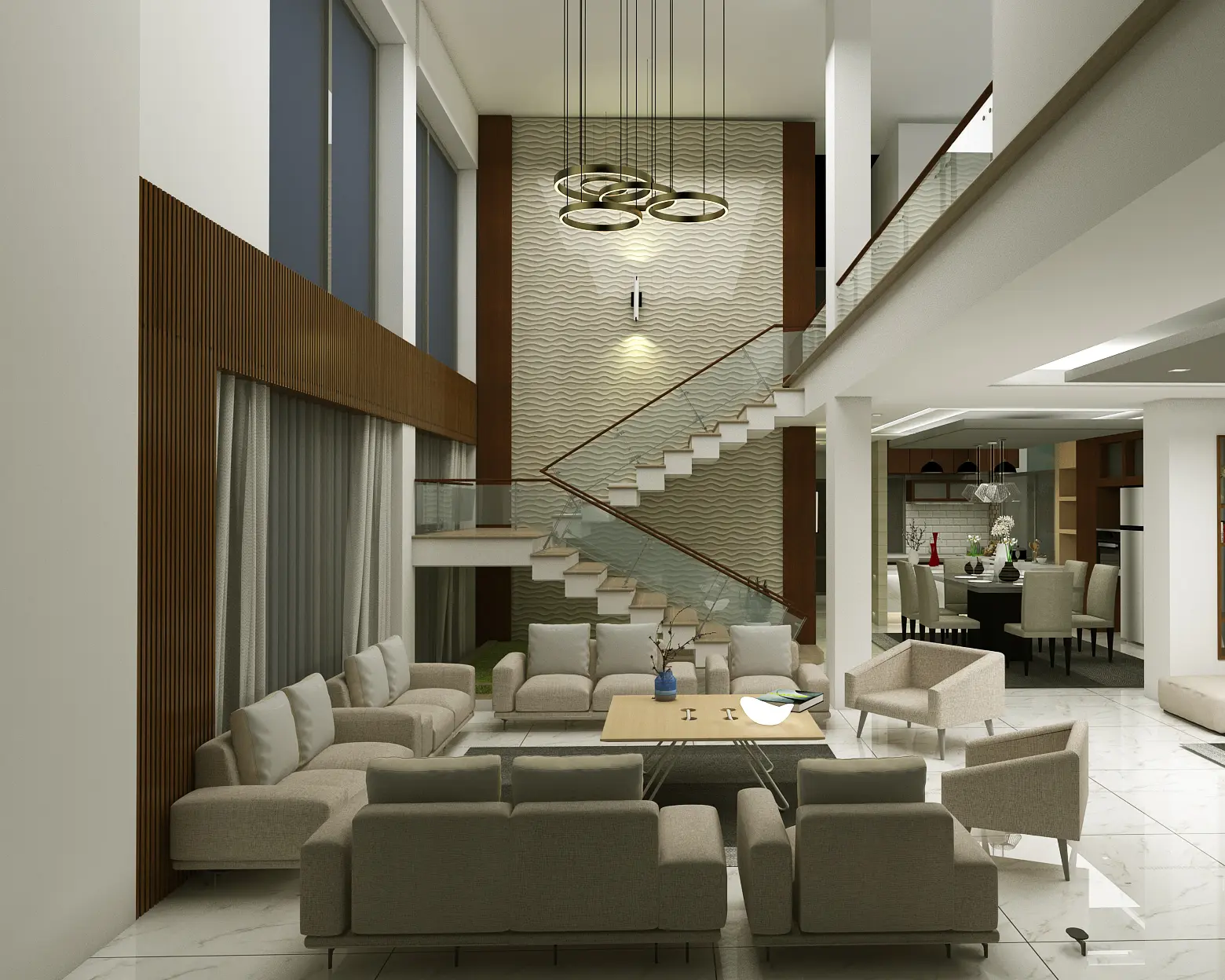
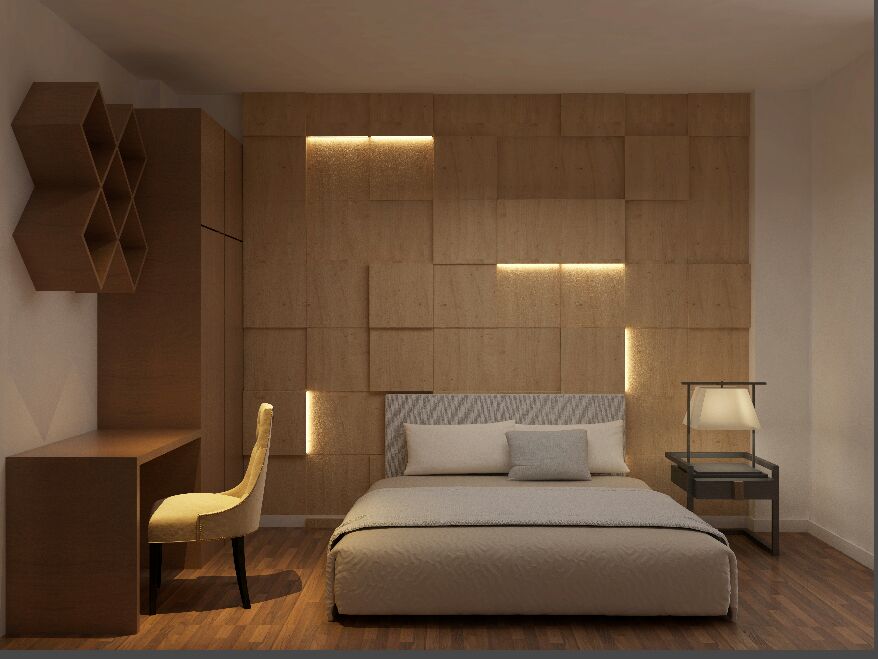
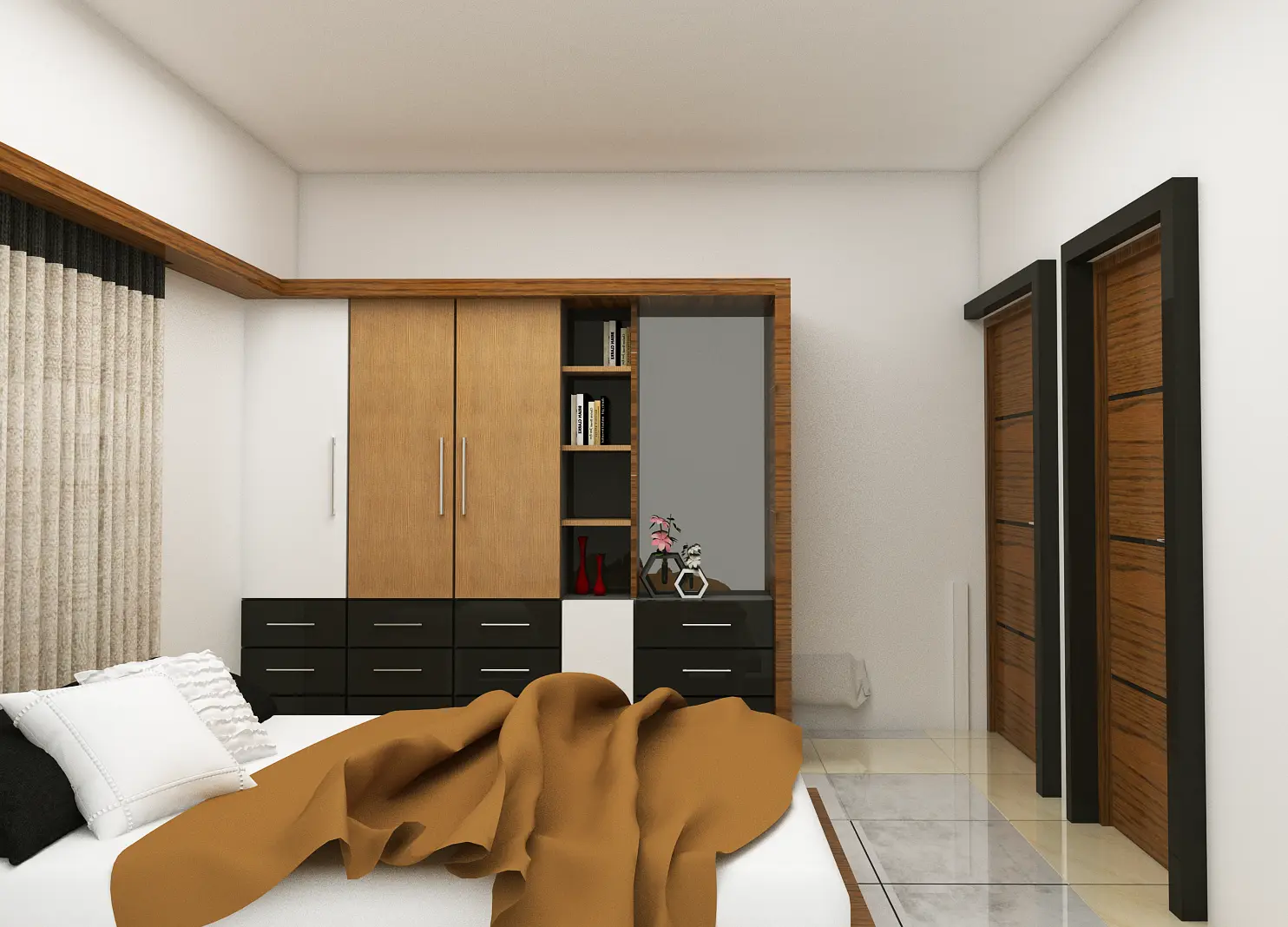
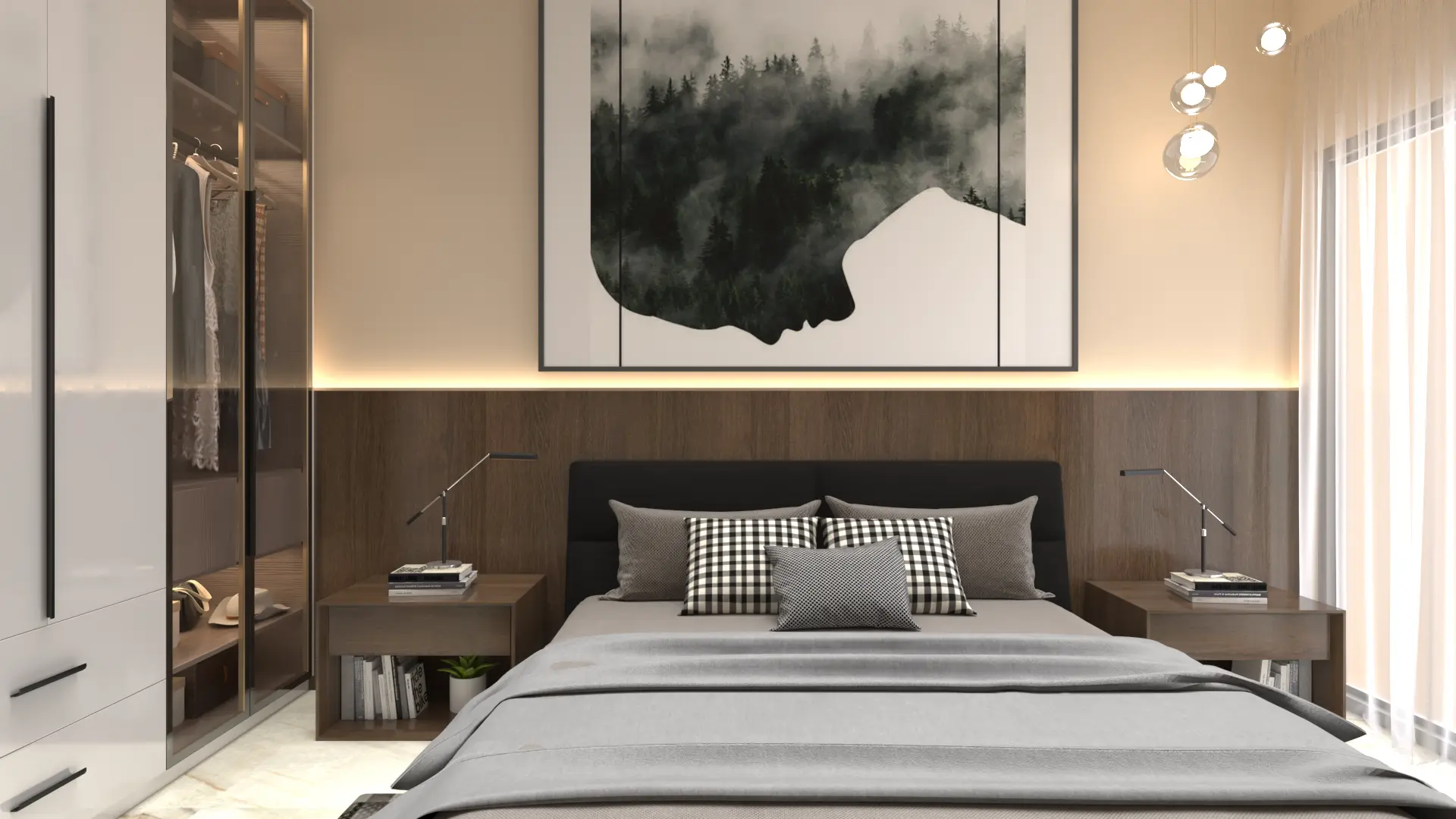
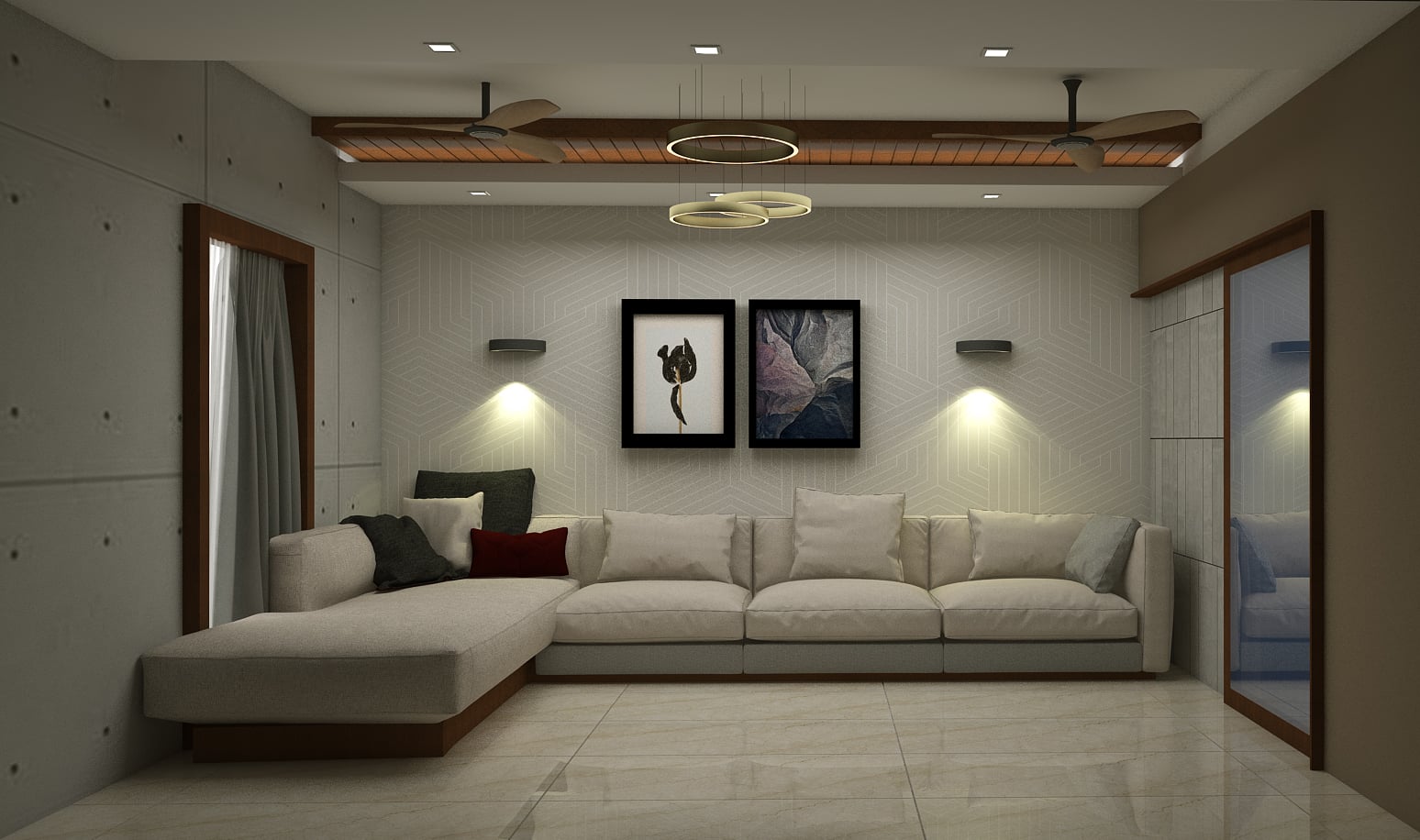
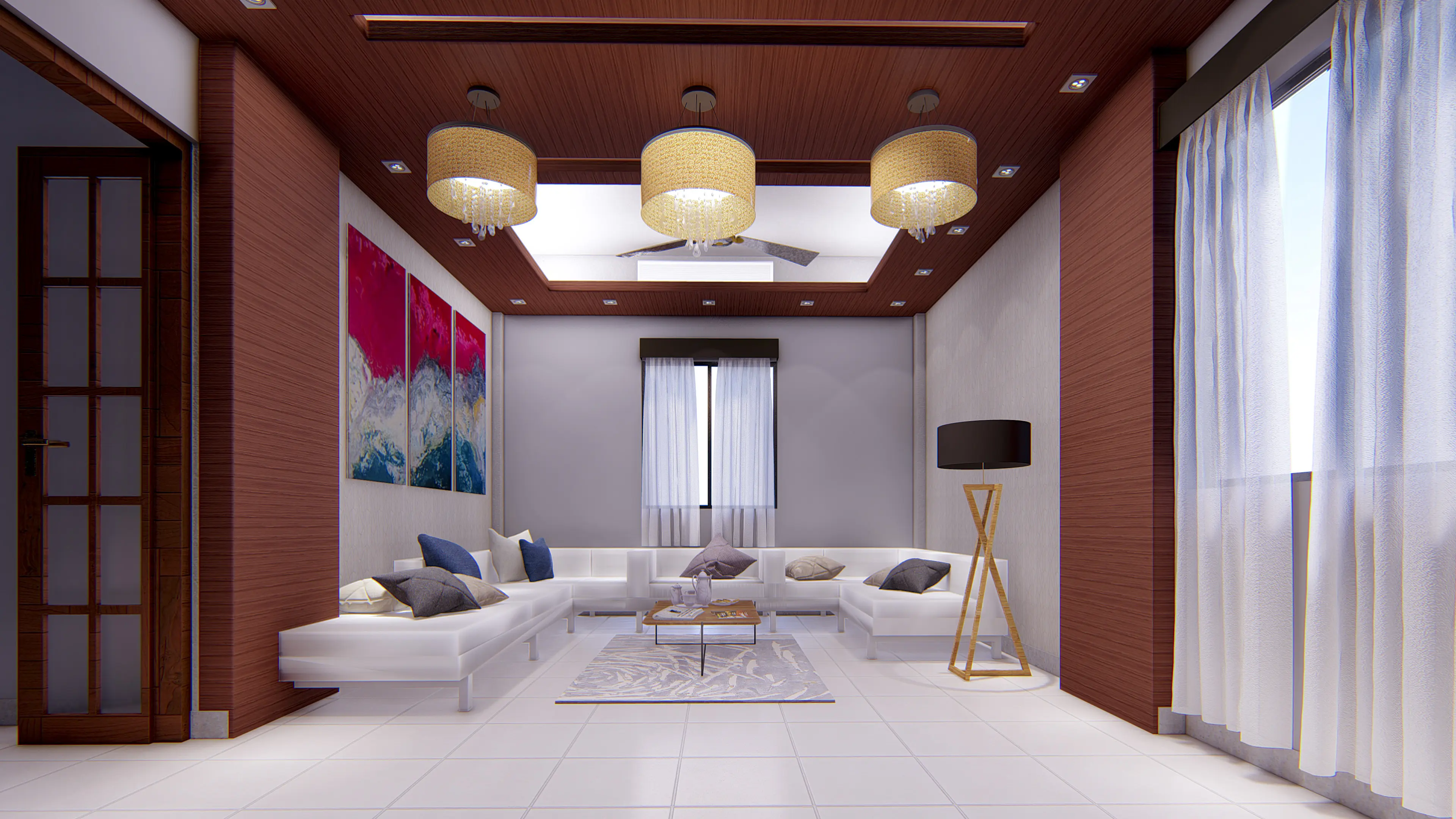
This interior design is a masterclass in Modern Transitional luxury, characterized by a sophisticated interplay of architectural rhythm and high-end material contrast. Architecturally, the space utilizes "zoning" through tiered false ceilings and rhythmic wooden slats that provide a sense of order without the need for restrictive walls. The living area is anchored by a recessed wood-paneled ceiling feature that houses a sculptural multi-ring chandelier. At the same time, the bedroom features a symmetrical layout with integrated LED-backlit vertical panels, creating a sense of height and grandeur. Throughout the home, the transition between spaces is softened by wide, floor-to-ceiling openings and sliding glass partitions that allow for a continuous flow of natural light, ensuring the home feels expansive yet intimate.
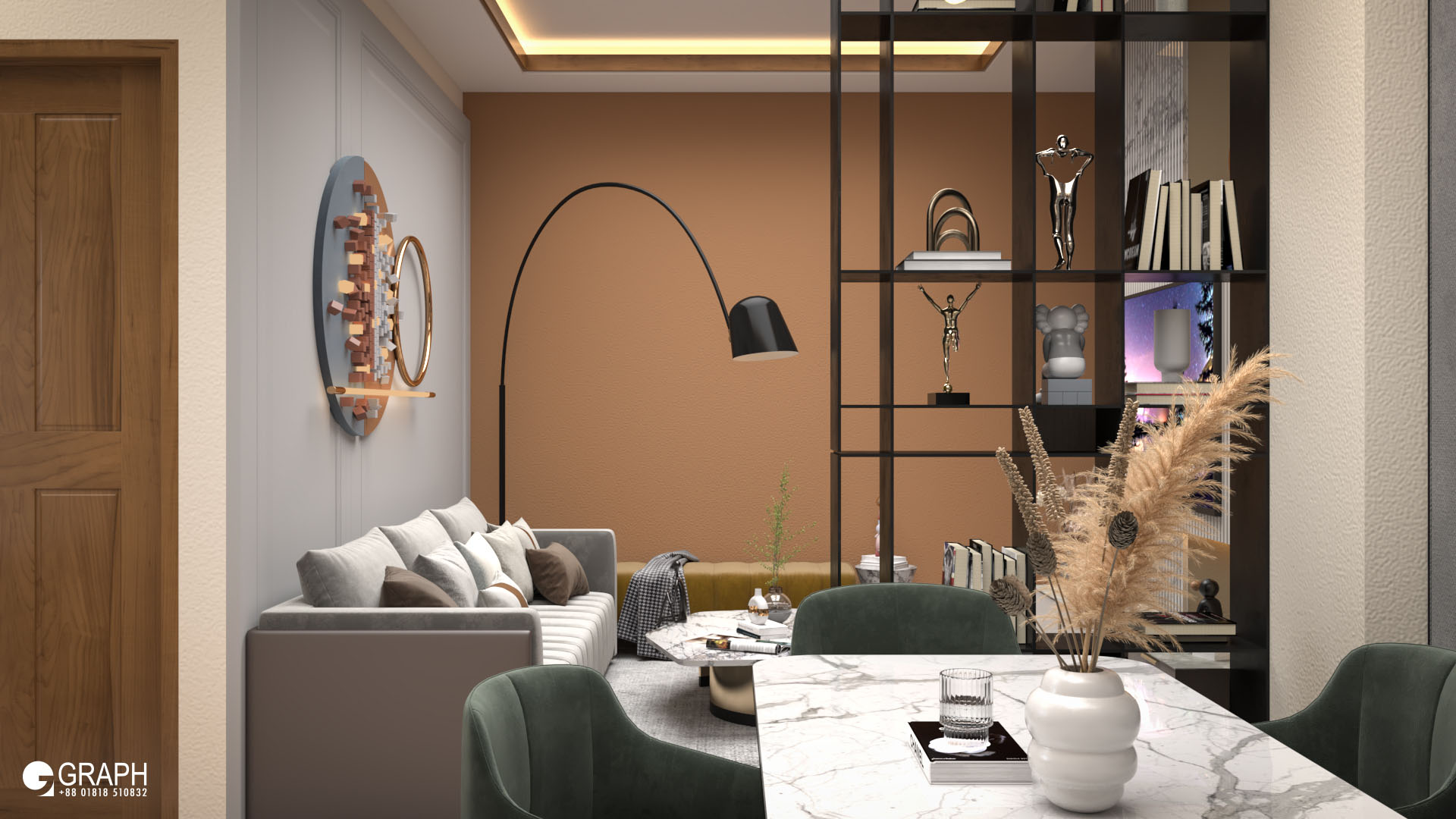
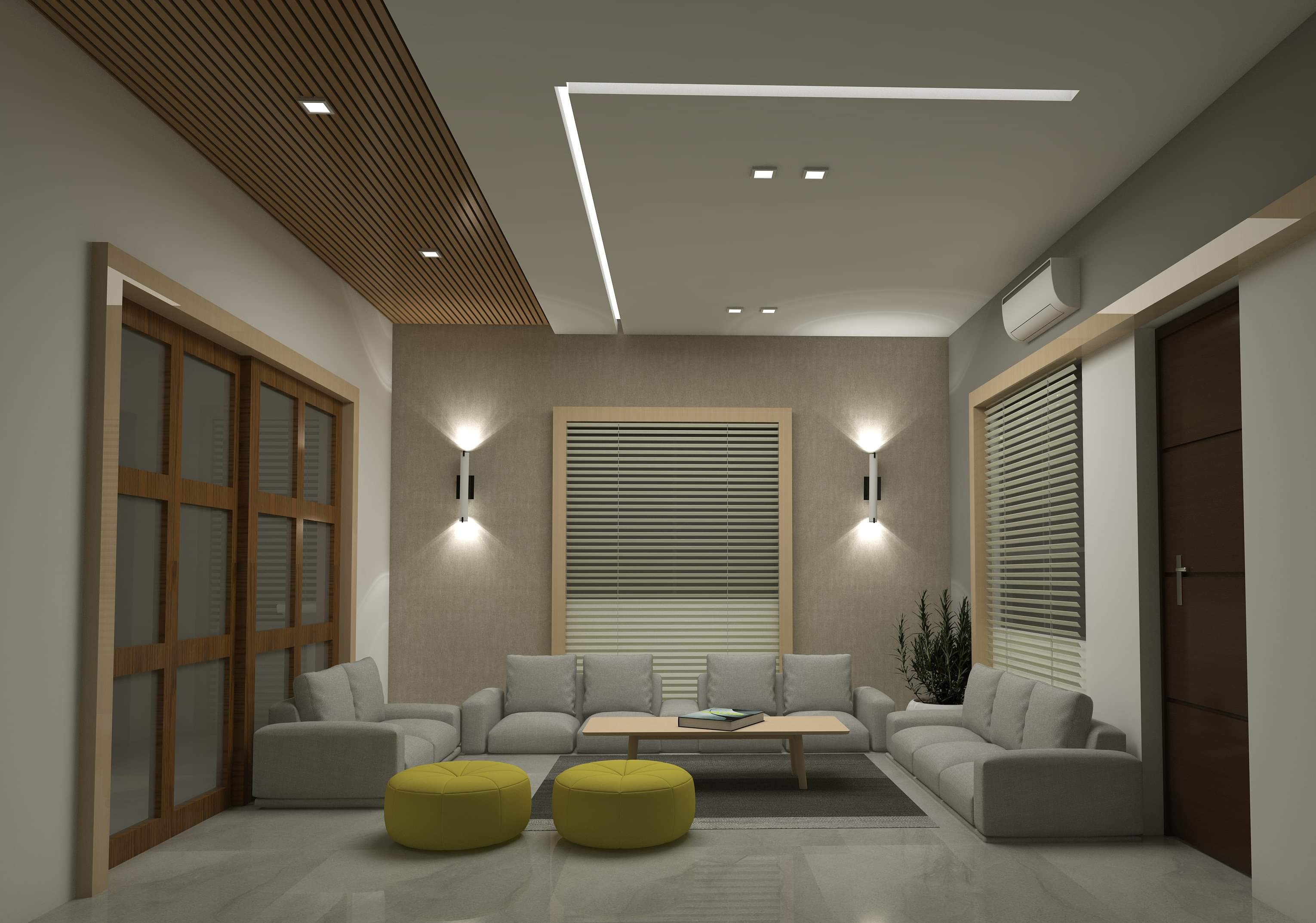
The project emphasizes biophilic integration and natural light optimization to reduce energy consumption. The layout utilizes an open-plan configuration that promotes passive cross-ventilation, while floor-to-ceiling slatted wood partitions serve as functional architectural elements that define space without blocking air or light flow. The ceiling design incorporates energy-efficient recessed LED tracks and cove lighting, which are strategically positioned to highlight the home’s vertical volume while minimizing heat gain. Large glazed apertures, such as those seen in the bedroom and kitchen, connect the indoor environment with the surrounding greenery, fostering a psychological connection to nature that is central to sustainable living.
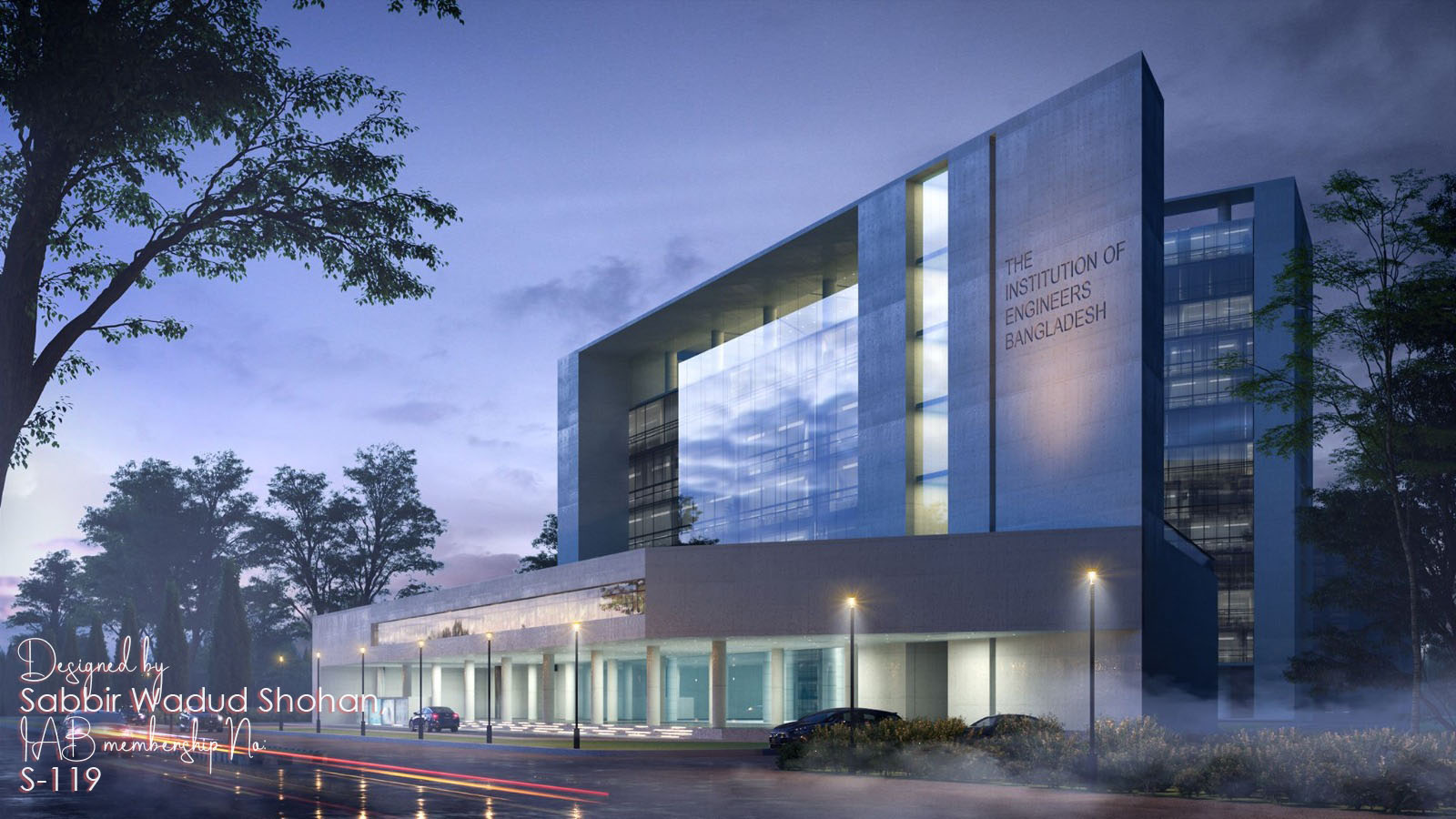
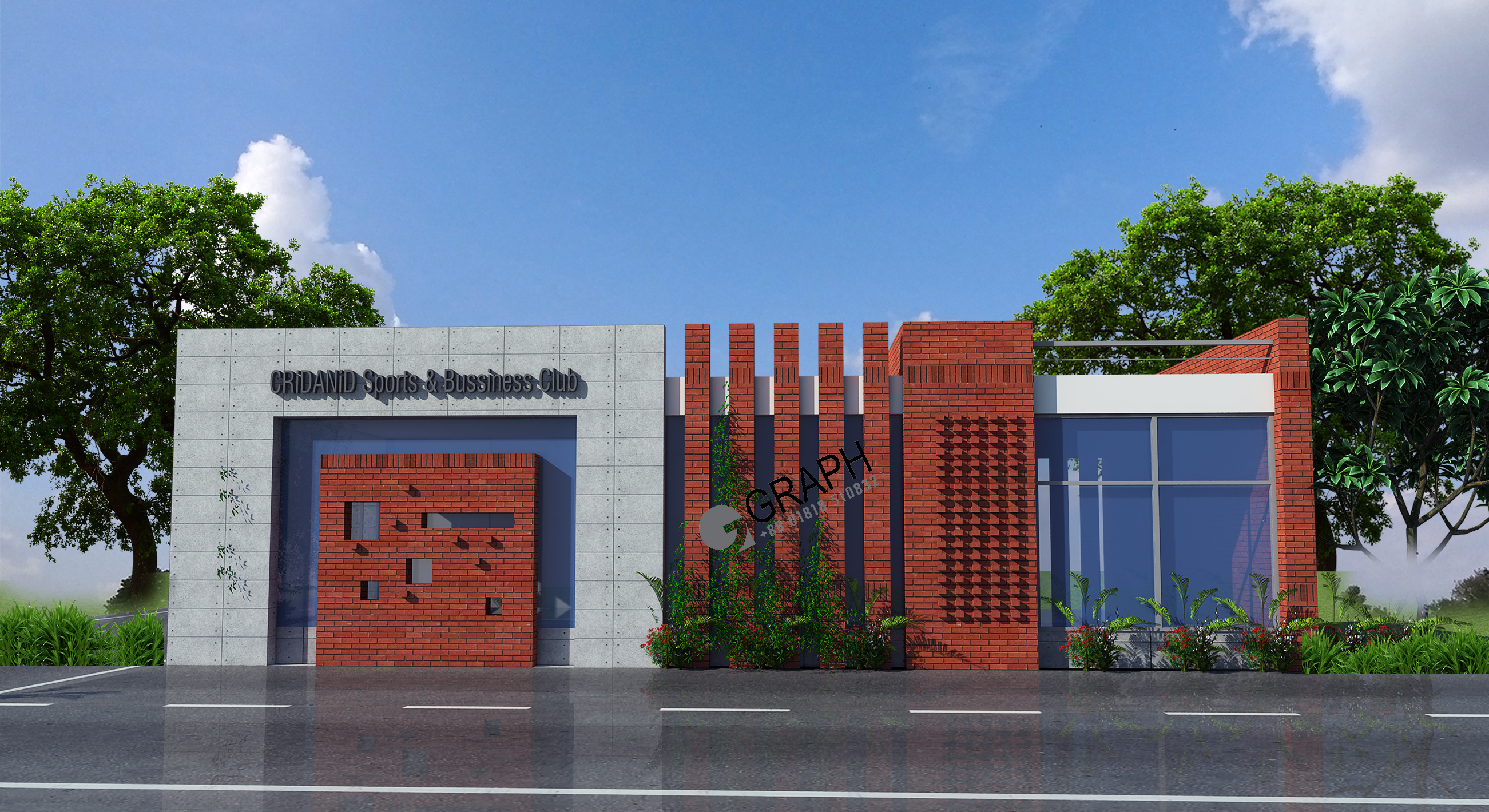
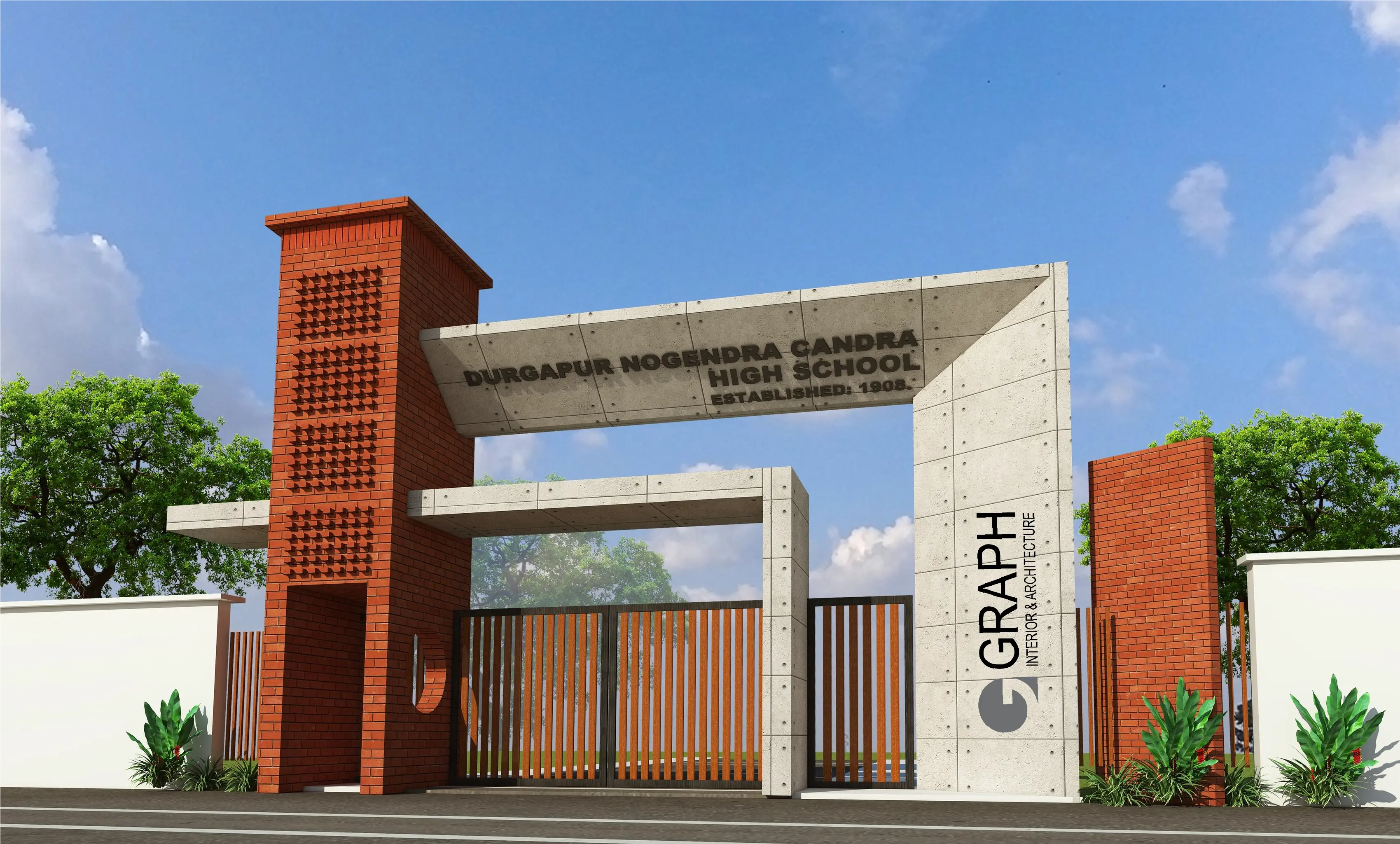
The project is designed as a contemporary institutional building with strong rectilinear massing that expresses stability and professionalism. A solid horizontal base anchors the structure to the ground, while vertically articulated upper volumes create a balanced and formal composition. The façade demonstrates a clear solid–void relationship, where exposed concrete surfaces convey permanence and authority, and large glass planes introduce transparency and openness. The disciplined geometry and restrained material palette reflect a modern architectural language appropriate for a national engineering institution.
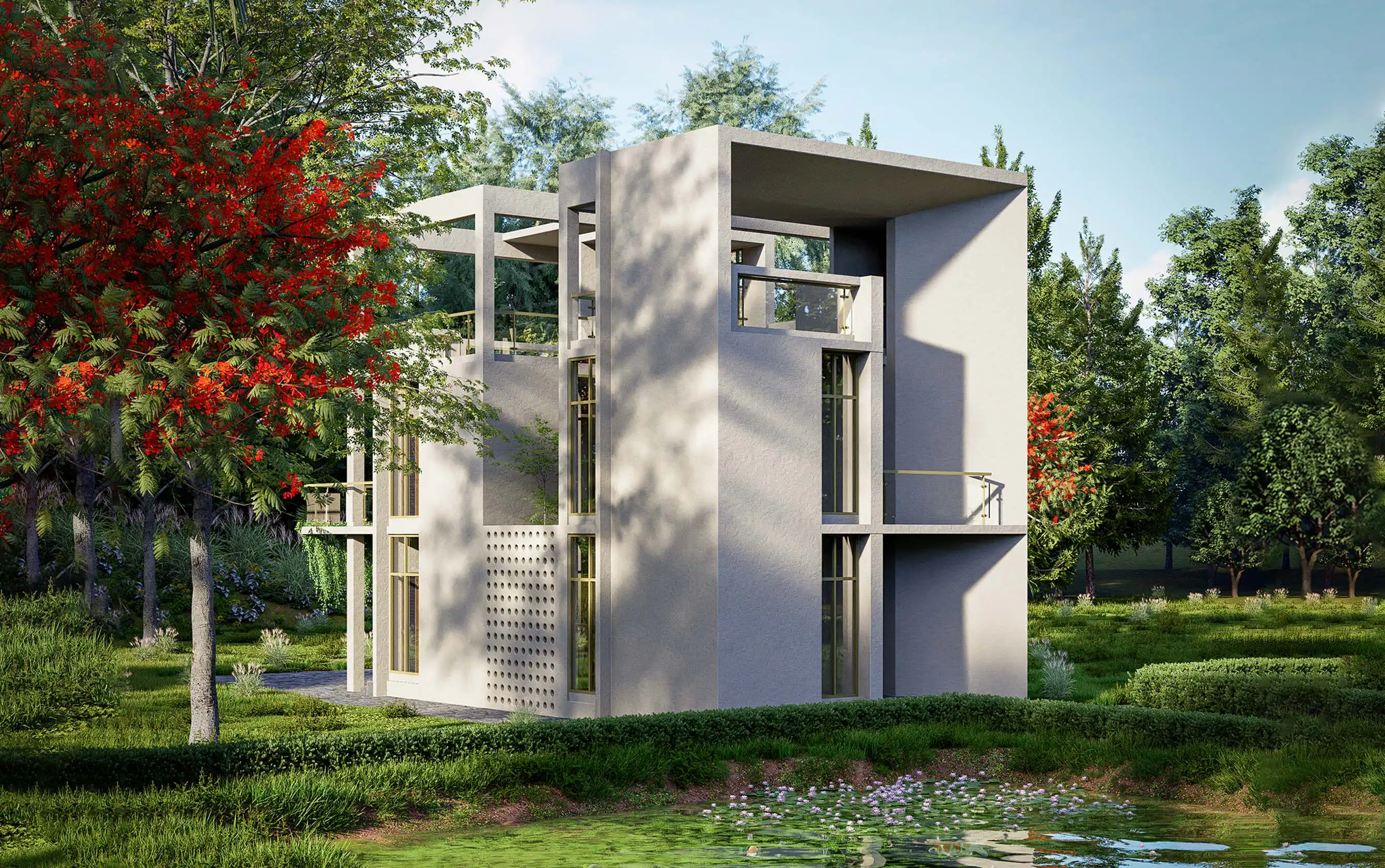
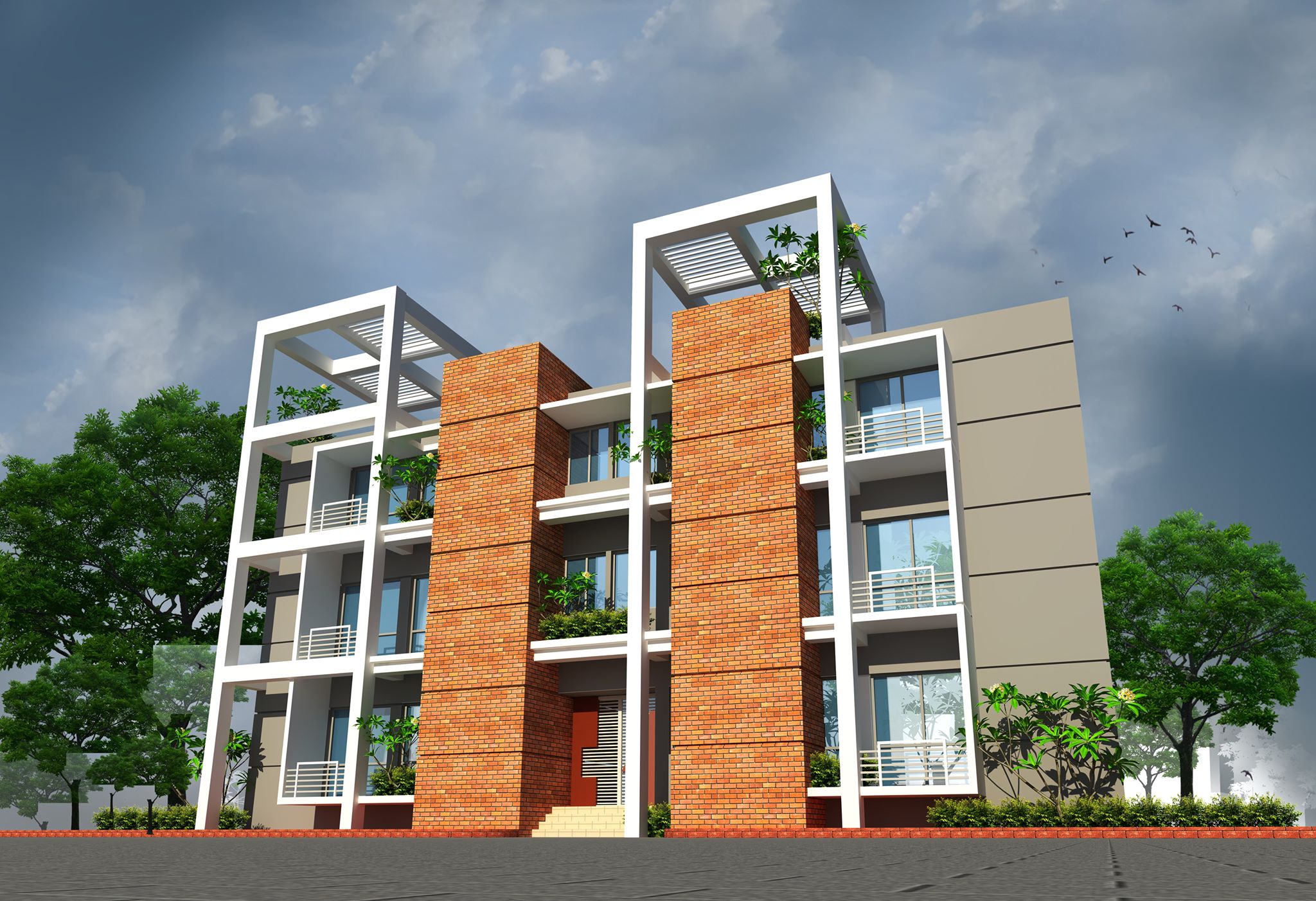
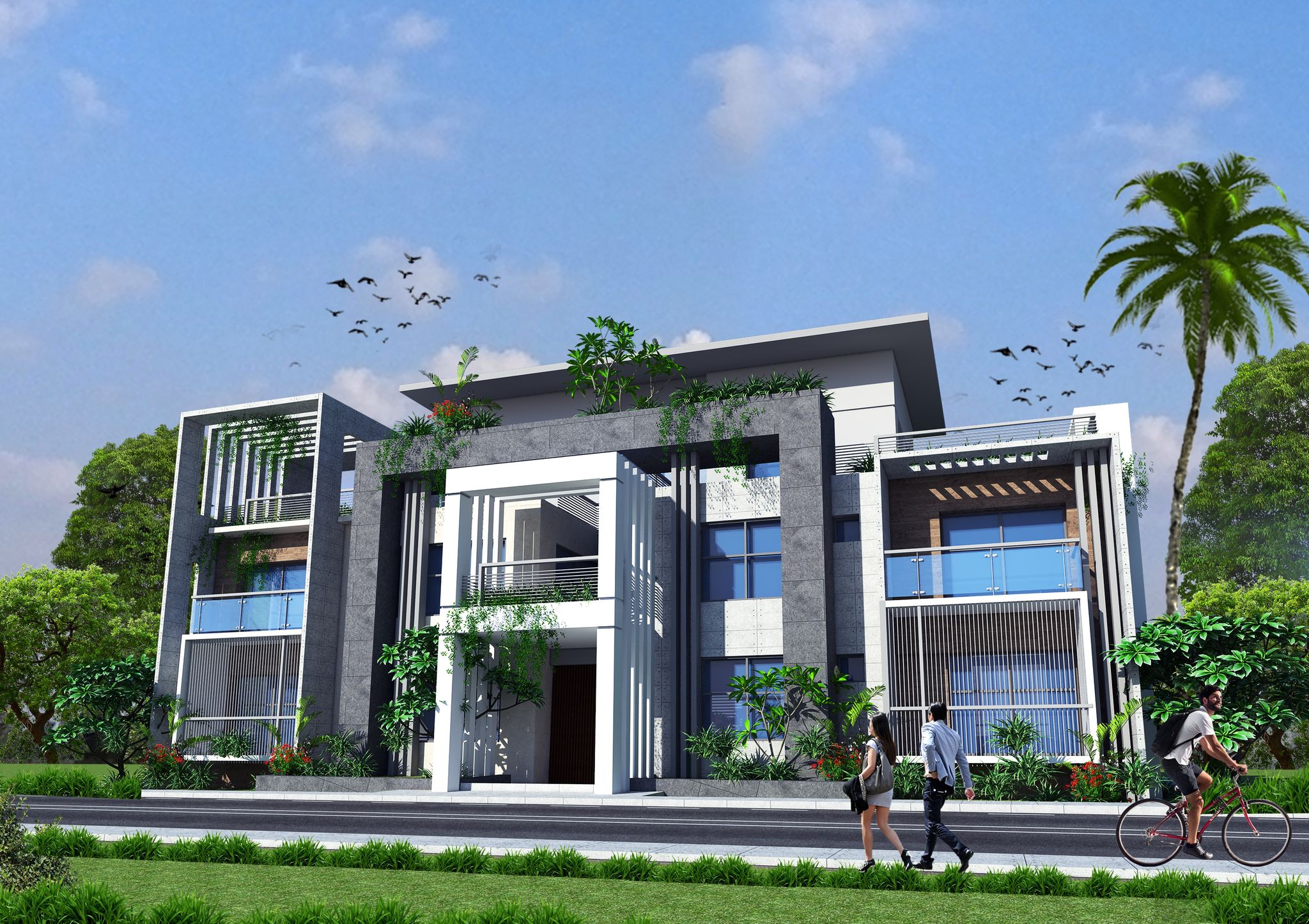
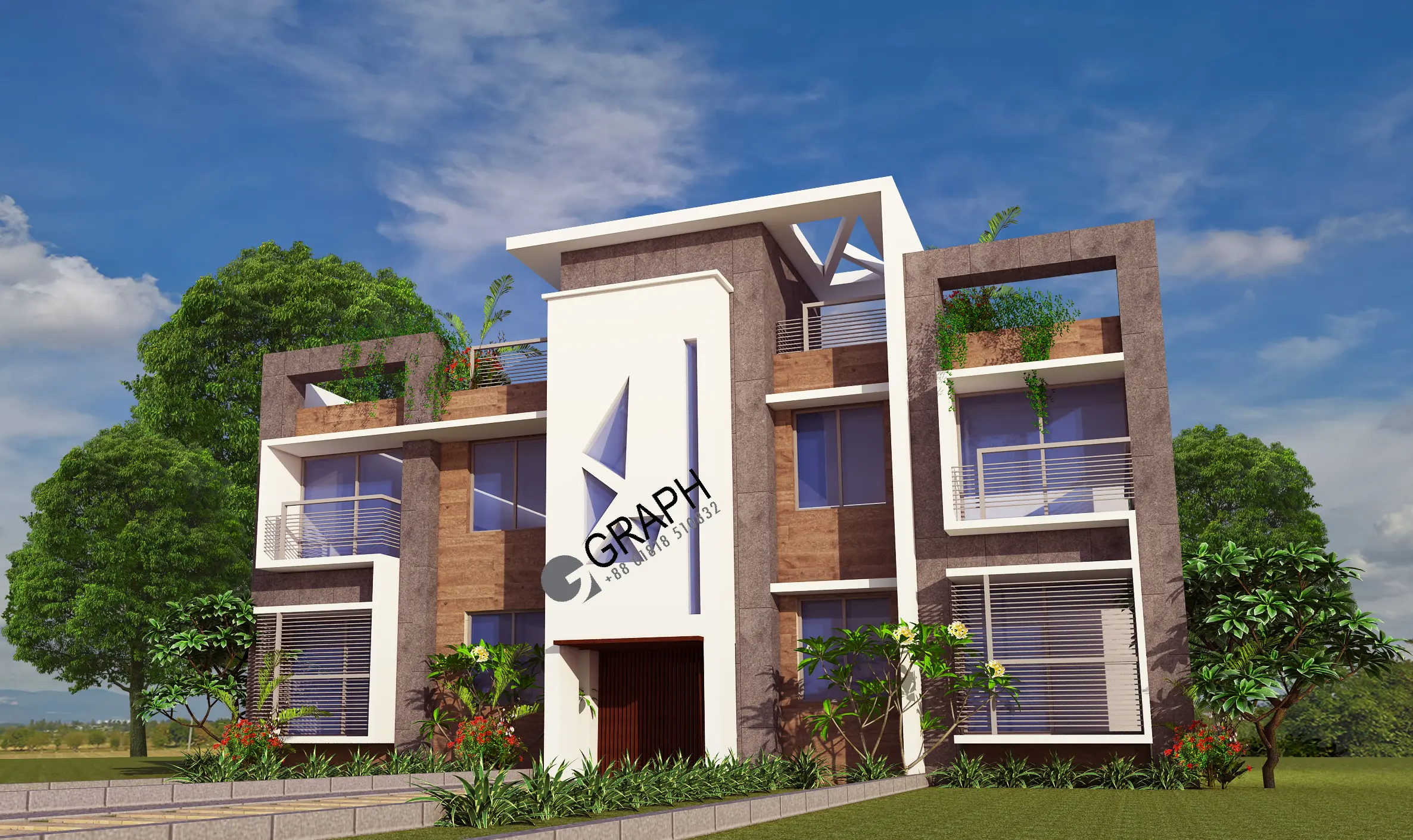
<p>This <strong>residential </strong>project explores the intersection of geometric purity and biophilic integration. By utilizing a subtractive architectural language, the structure is defined not just by its solid masses but by the voids carved into them. These recessed planes serve as sheltered outdoor transitions, allowing the building to breathe while maintaining a strong, monolithic presence within the site. A high-contrast interplay of textures characterizes the facade. The raw, tactile finish of the concrete-textured volumes is punctuated by a rhythmic perforated screen, which acts as a functional ornament, softening the structural rigidity and filtering natural light into the interior galleries. Expansive vertical glazing and cantilevered garden terraces further dissolve the boundary between the internal living spaces and the lush landscape, creating a home that feels like a private sanctuary framed by nature.</p>
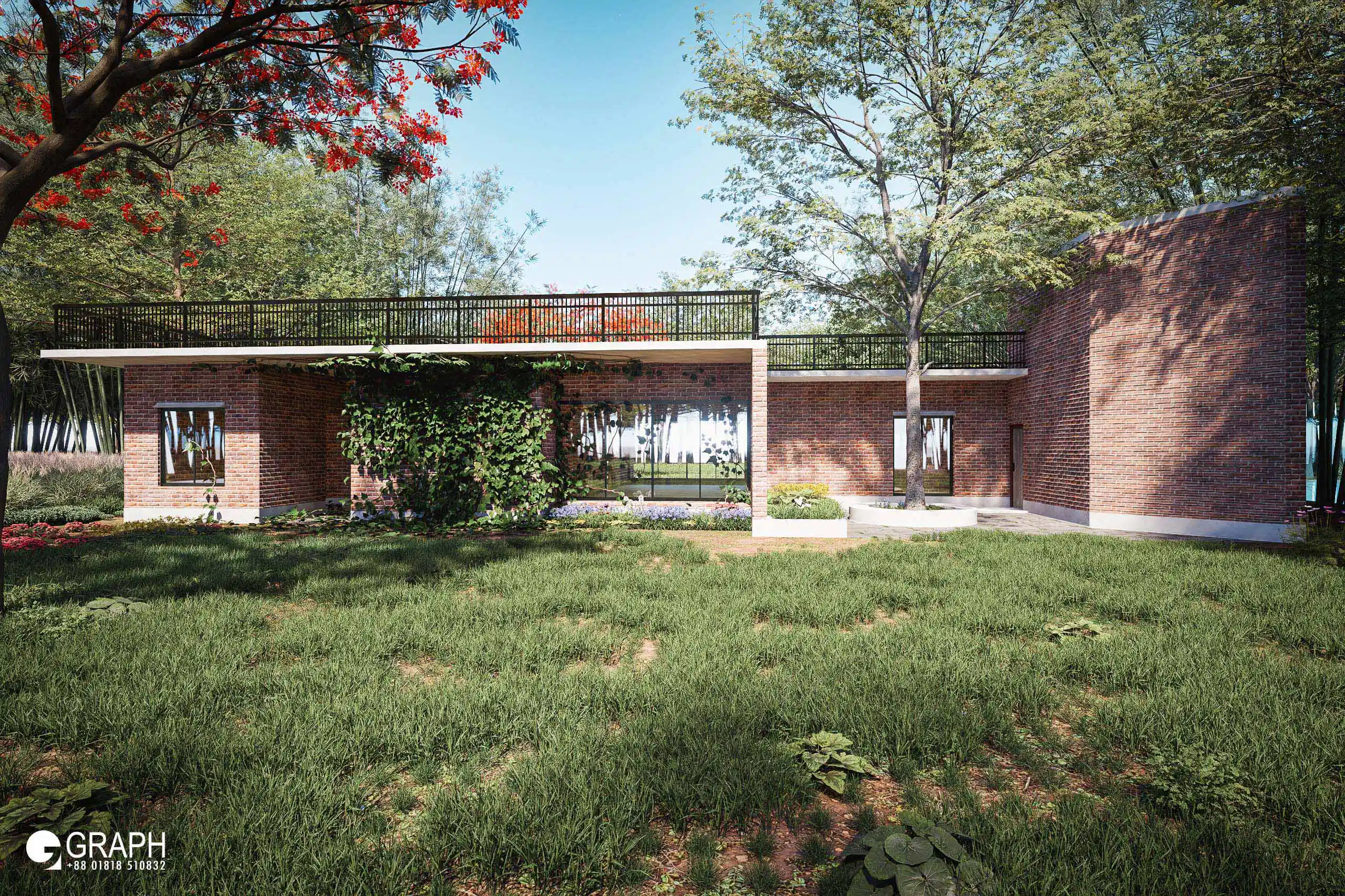
The architecture is defined by a series of interlocking rectilinear volumes constructed from exposed red brick. The primary form is low-slung and grounded, emphasized by a continuous, thin concrete roof slab that doubles as an expansive terrace or "sky garden." * Verticality vs. Horizontality: The dominant horizontal lines of the roof and foundation are punctuated by a singular, taller brick mass that adds a sculptural quality to the composition. The L-shaped footprint creates a protected internal courtyard, blurring the boundary between the built environment and the forest beyond. A mature tree is preserved and integrated directly into the stone-paved patio, acting as a living architectural column.
No description available.
No description available.
This interior design project showcases a sophisticated Modern Transitional aesthetic that balances sleek, contemporary lines with warm, organic textures and bold color accents. The spatial configuration utilizes a "broken-plan" concept, where distinct functional zones—including the dining area, a linear kitchenette, and a dedicated wash station—are defined by changes in materiality rather than physical partitions. This approach maintains an airy, open feel while providing the structural logic necessary for a multifunctional residential layout. The architectural depth of the project is achieved through a deliberate play on tactile contrast and wall treatments. The design features a juxtaposition of smooth plaster against high-relief, hammered white stucco and dark wood vertical fluting (tambour paneling). These vertical elements serve an architectural purpose by drawing the eye upward, effectively increasing the perceived ceiling height and adding a rhythmic, structural quality to the transition spaces between rooms.
No description available.
No description available.
No description available.
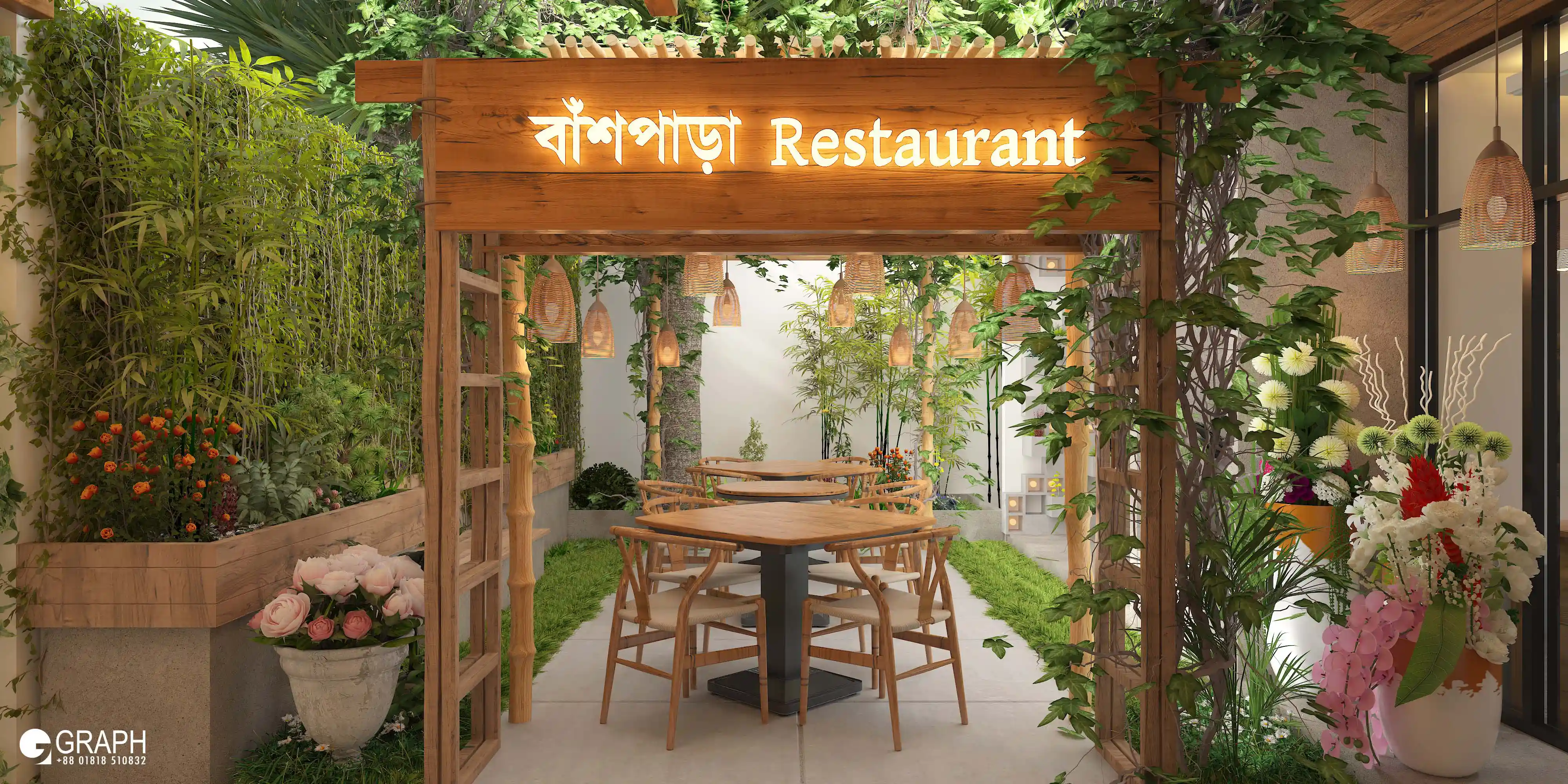
The architecture is defined by transparency and blurred boundaries. The transition between the indoor and outdoor zones is facilitated by a massive floor-to-ceiling glass storefront with slim black framing, allowing the two spaces to function as a singular visual entity. The outdoor area is sheltered by a semi-permeable bamboo and timber pergola, which provides dappled sunlight during the day and a localized micro-climate. The indoor area acts as a "climate-controlled sanctuary" while maintaining a visual connection to the courtyard via the glass facade. A stone-textured water feature serves as a central architectural anchor. It provides white noise to mask urban sounds and works alongside the living green walls to create evaporative cooling, naturally lowering the ambient temperature of the outdoor seating area.
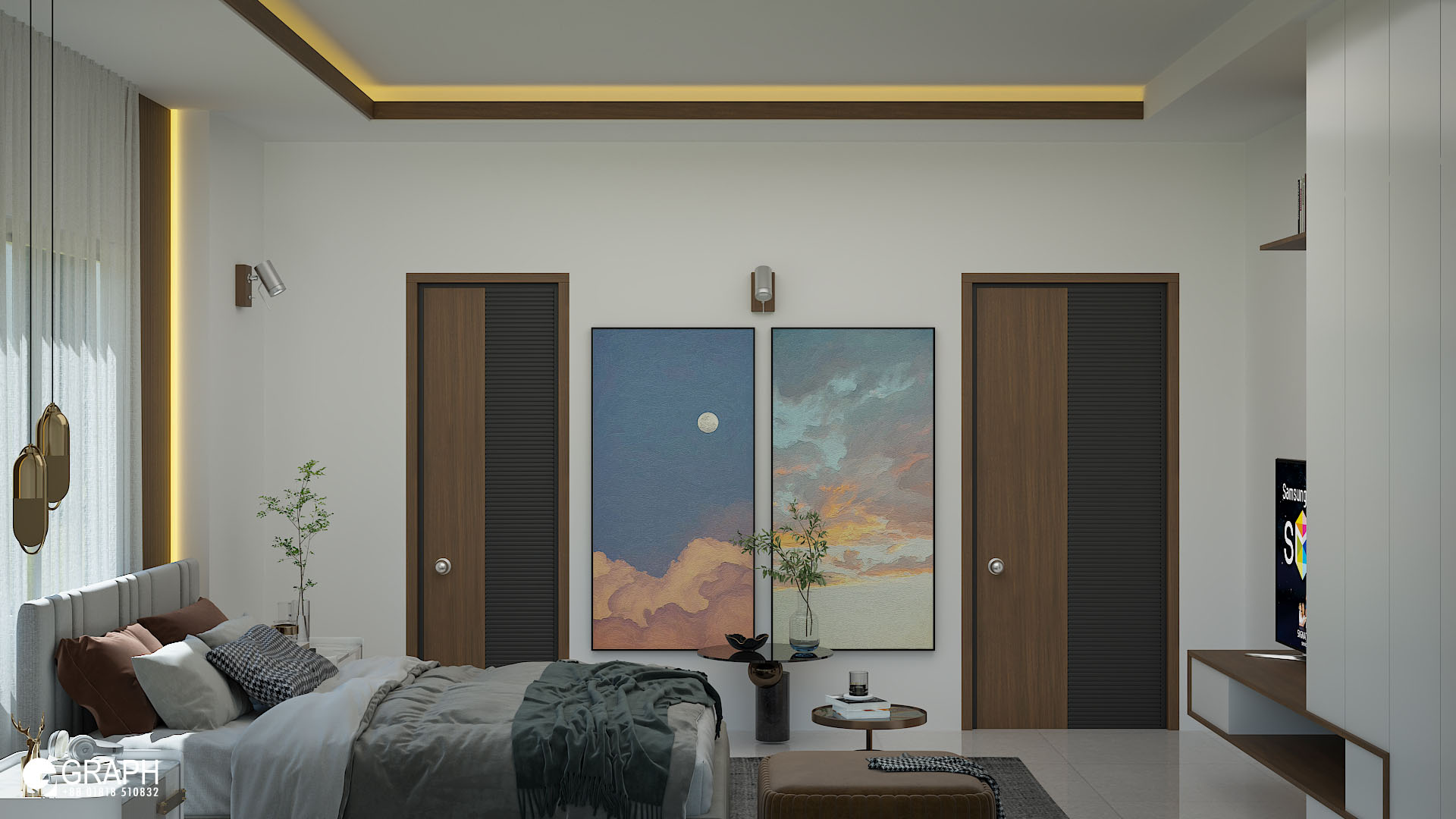
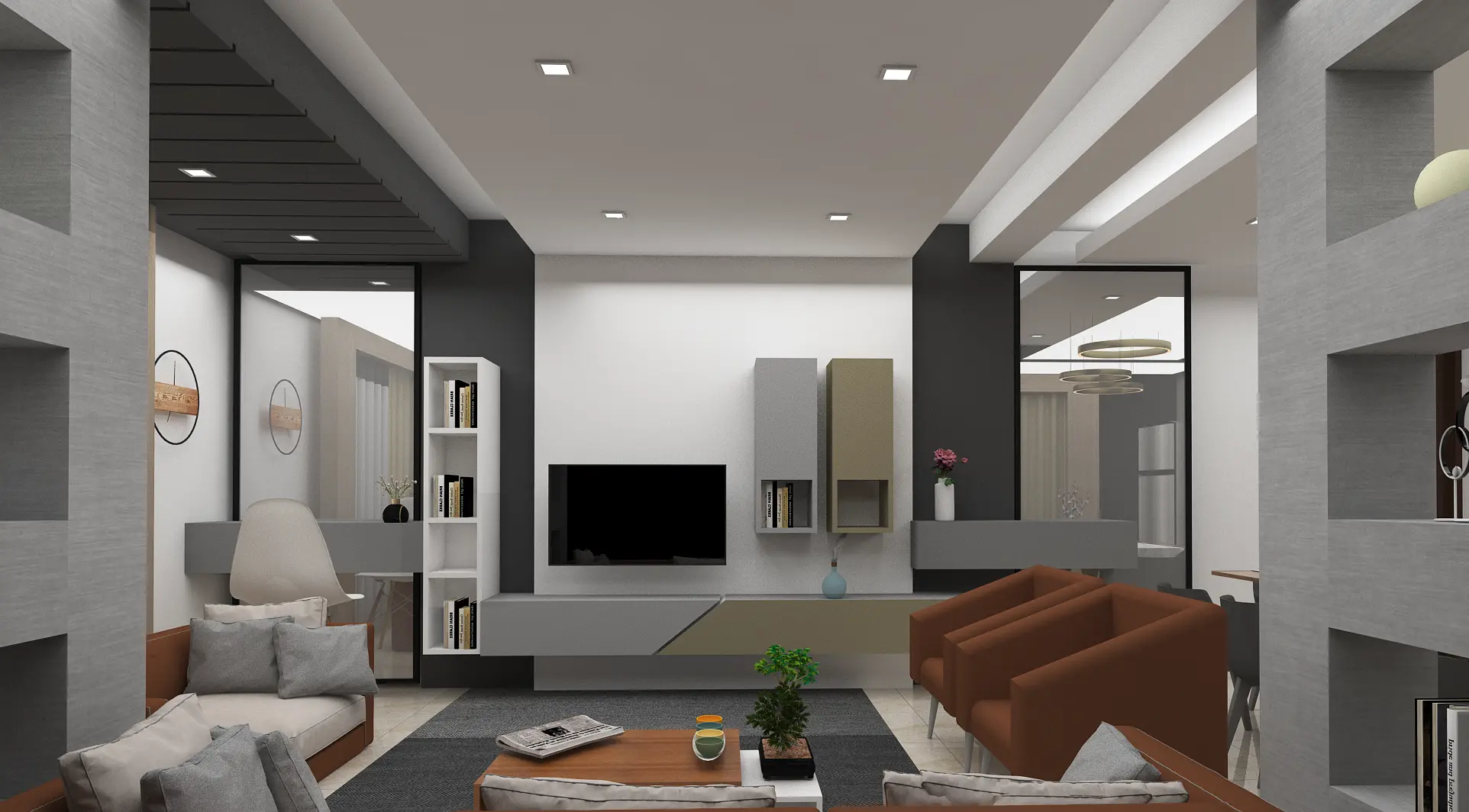
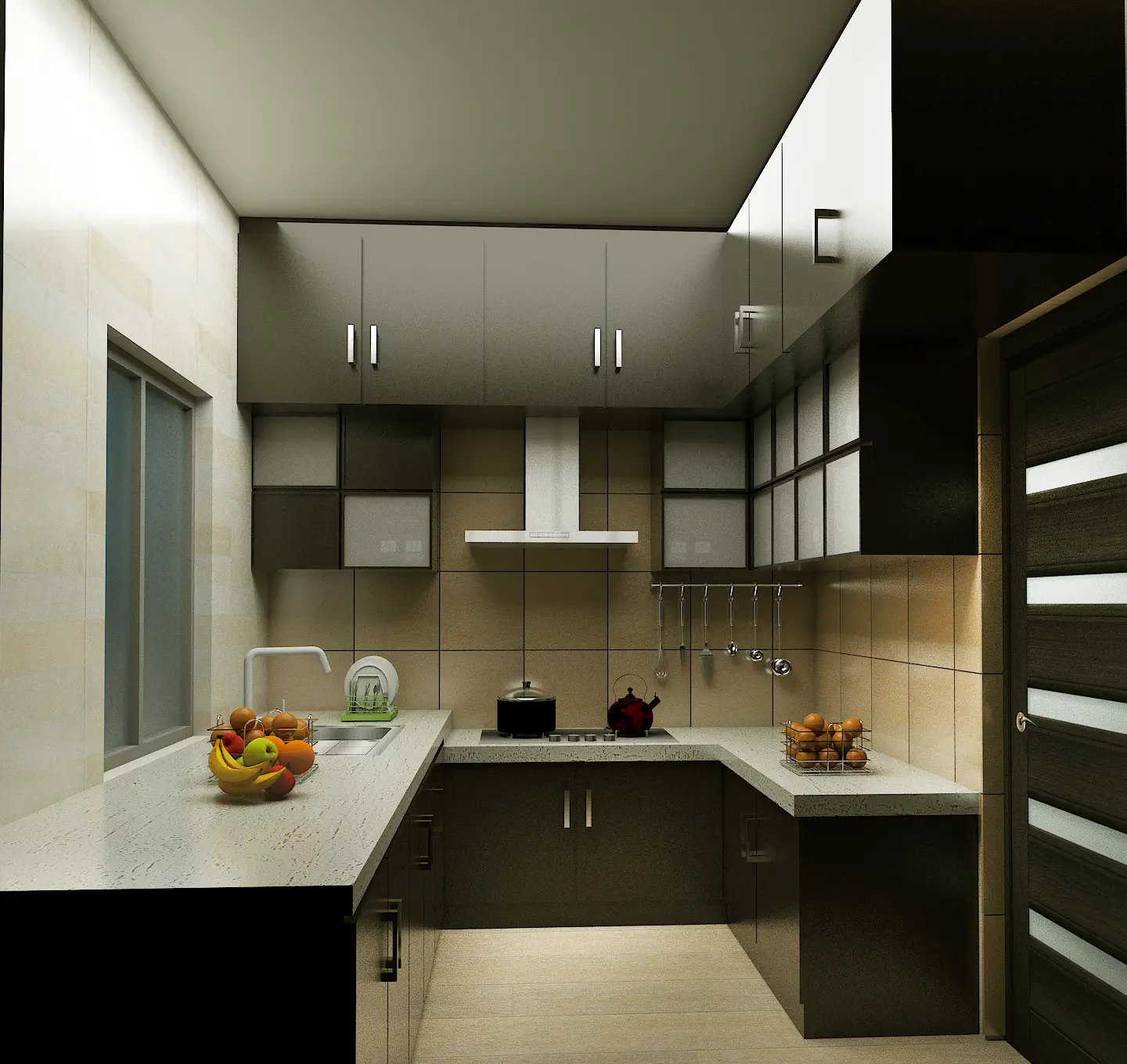
The project prioritizes spatial efficiency and clean lines, characteristic of modern professional environments. The layout uses a structured, open-plan approach that defines distinct functional zones—living, dining, and utility—without the use of heavy structural barriers. The ceiling architecture is central to this organization, featuring multi-tiered tray designs with integrated cove lighting that adds depth and serves to delineate the lounge from the circulation paths. Vertical elements, such as the wood-slatted paneling behind the wash station and the tall, dark wood cabinetry, draw the eye upward to emphasize the room's height, while the placement of the television unit as a recessed focal point creates a streamlined, clutter-free silhouette.
No description available.
No description available.
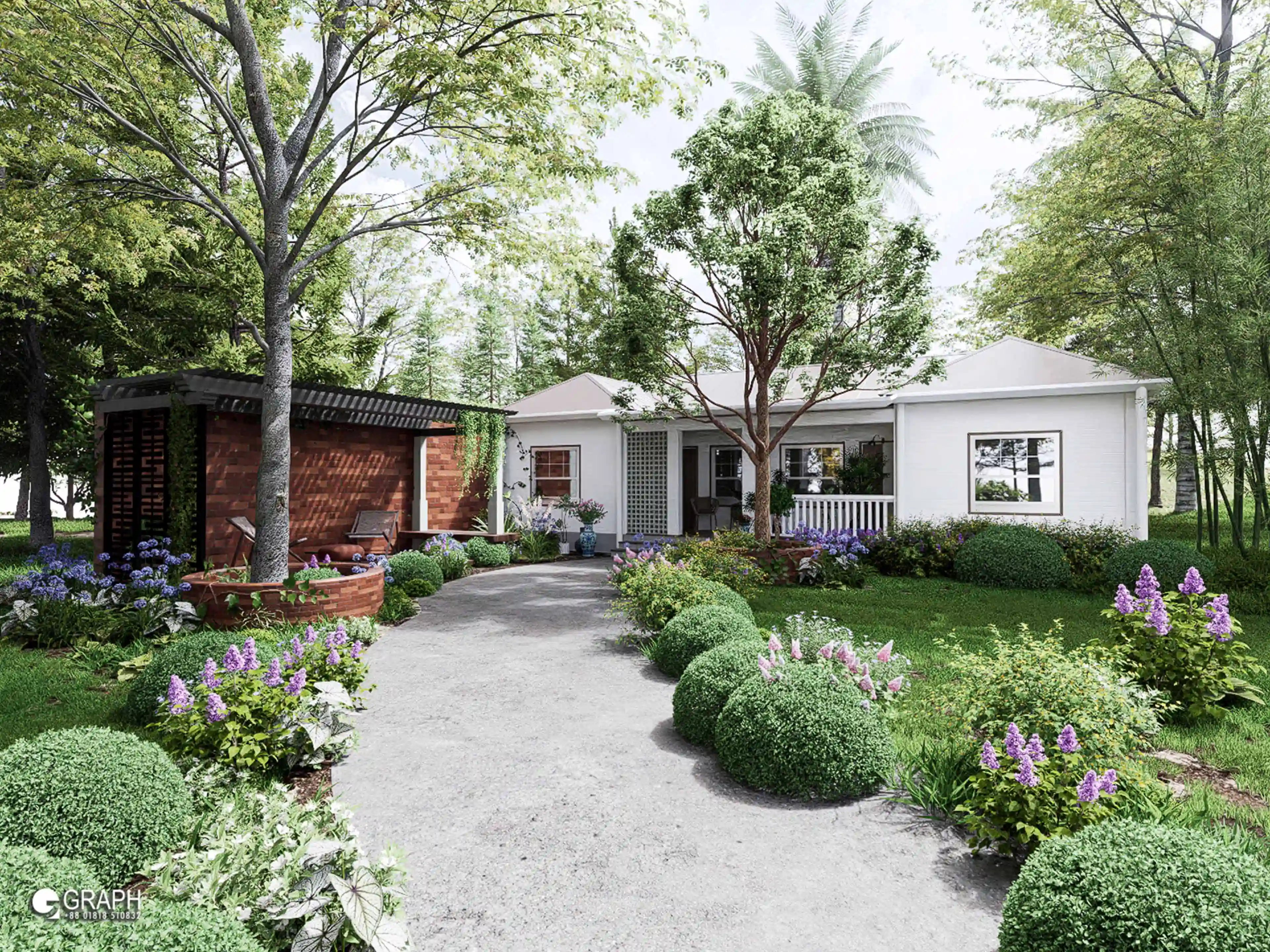
The design presents a sophisticated interpretation of a modern retreat, defined by its balanced composition of clean architectural lines and lush, organic landscaping. The primary residence features a minimalist white gabled form that serves as a canvas for the shifting shadows of the surrounding forest. This central volume is anchored by a secondary brick structure and a rhythmic timber pergola, which together create a transition zone between the interior and the exterior. The curving aggregate pathway acts as a visual guide, intentionally slowing the observer’s pace to emphasize the harmony between the structured garden and the wilder, mature canopy above.
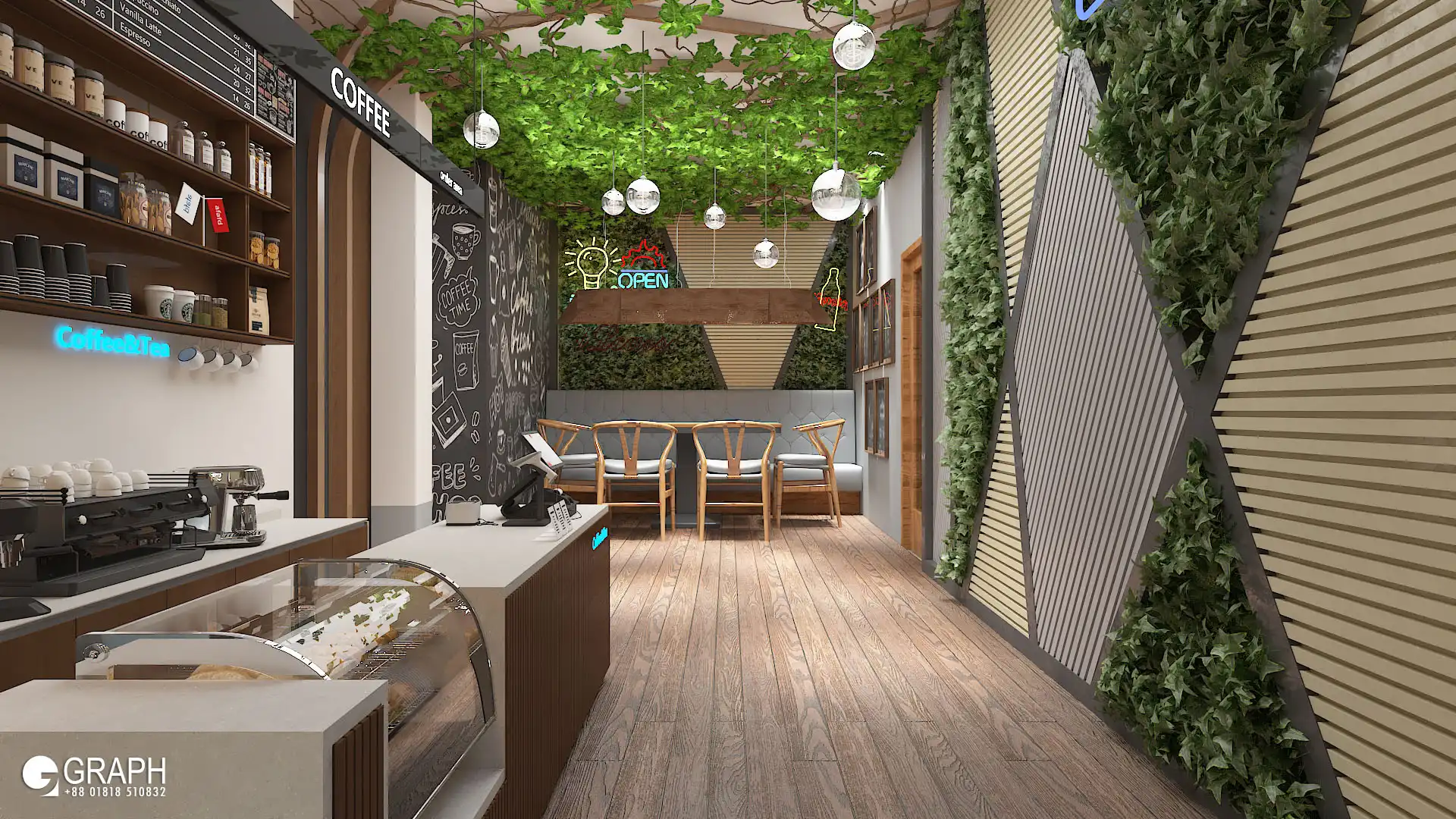
Architecturally, the project employs a biophilic, open-concept layout that utilizes a "canopy" of artificial ivy to lower the perceived ceiling height, creating an intimate, garden-like atmosphere within a narrow commercial footprint. The space is strategically zoned through diverse wall treatments—such as vertical wood slats, white-washed timber planks, and floor-to-ceiling chalkboard murals—which serve to define different seating areas without the need for physical partitions. This approach maximizes the flow of natural light from the large windows while using focal points like neon signage and geometric wall niches to draw the eye through the depth of the cafe.
No description available.
No description available.
No description available.
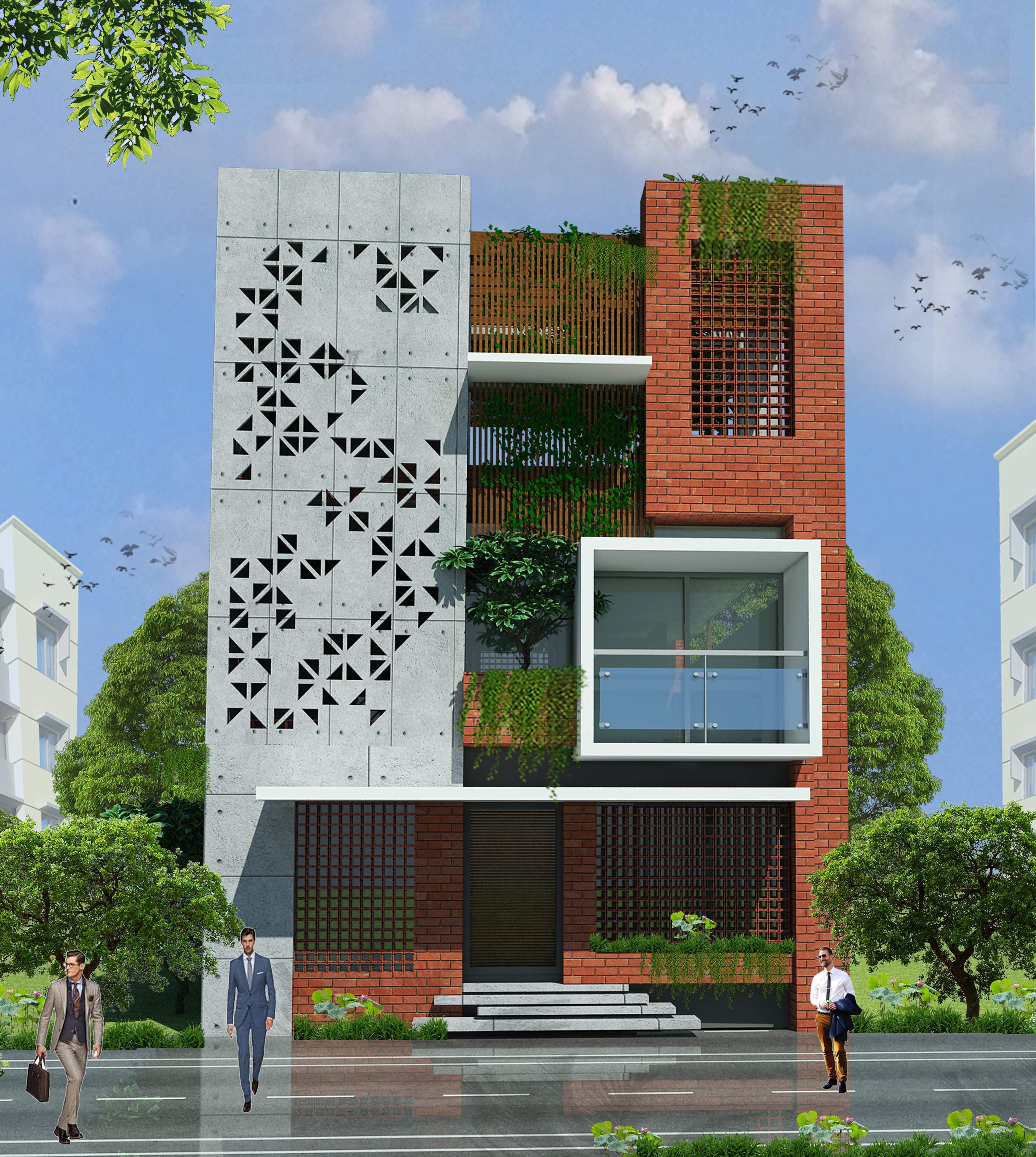
No description available.
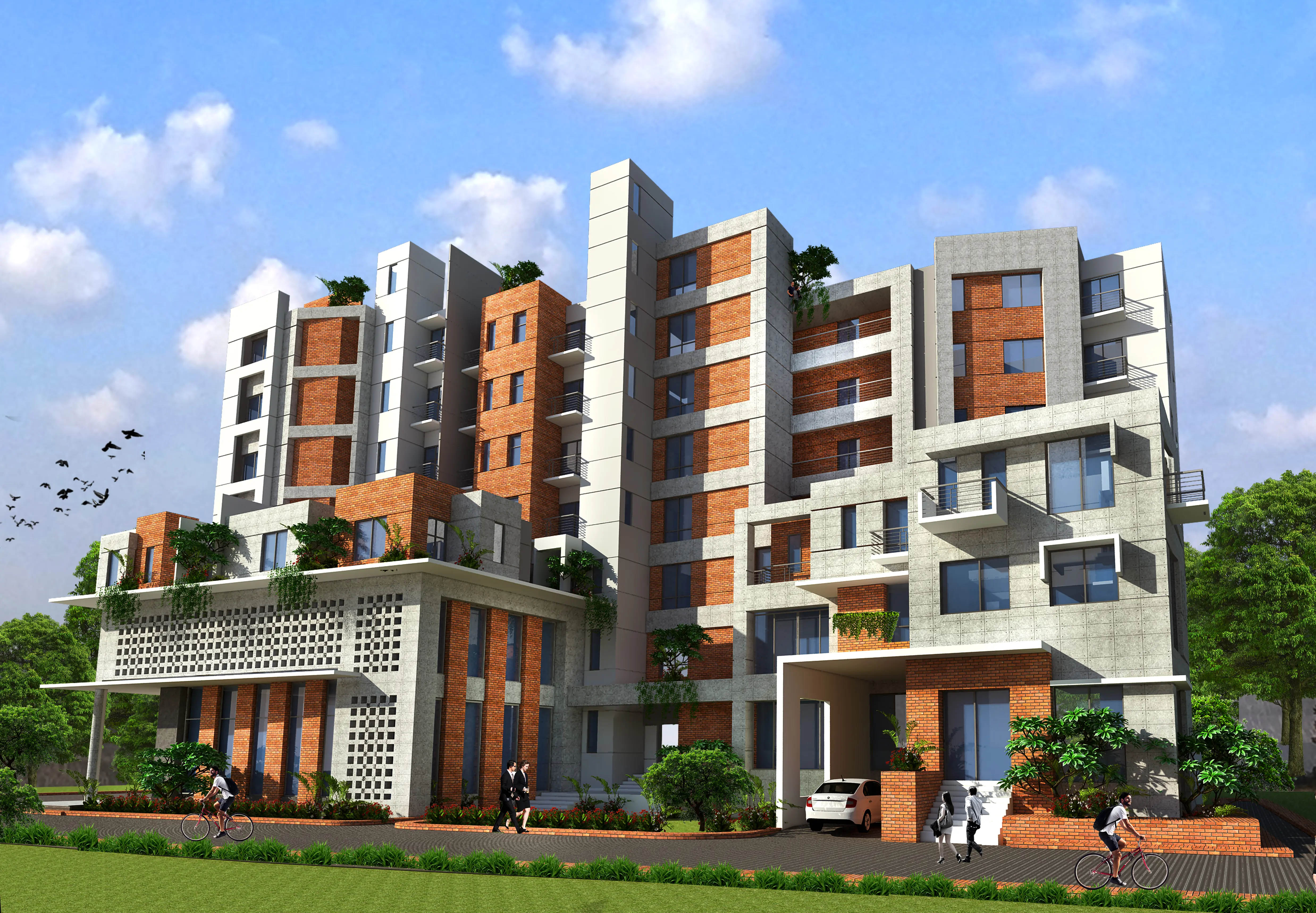
No description available.
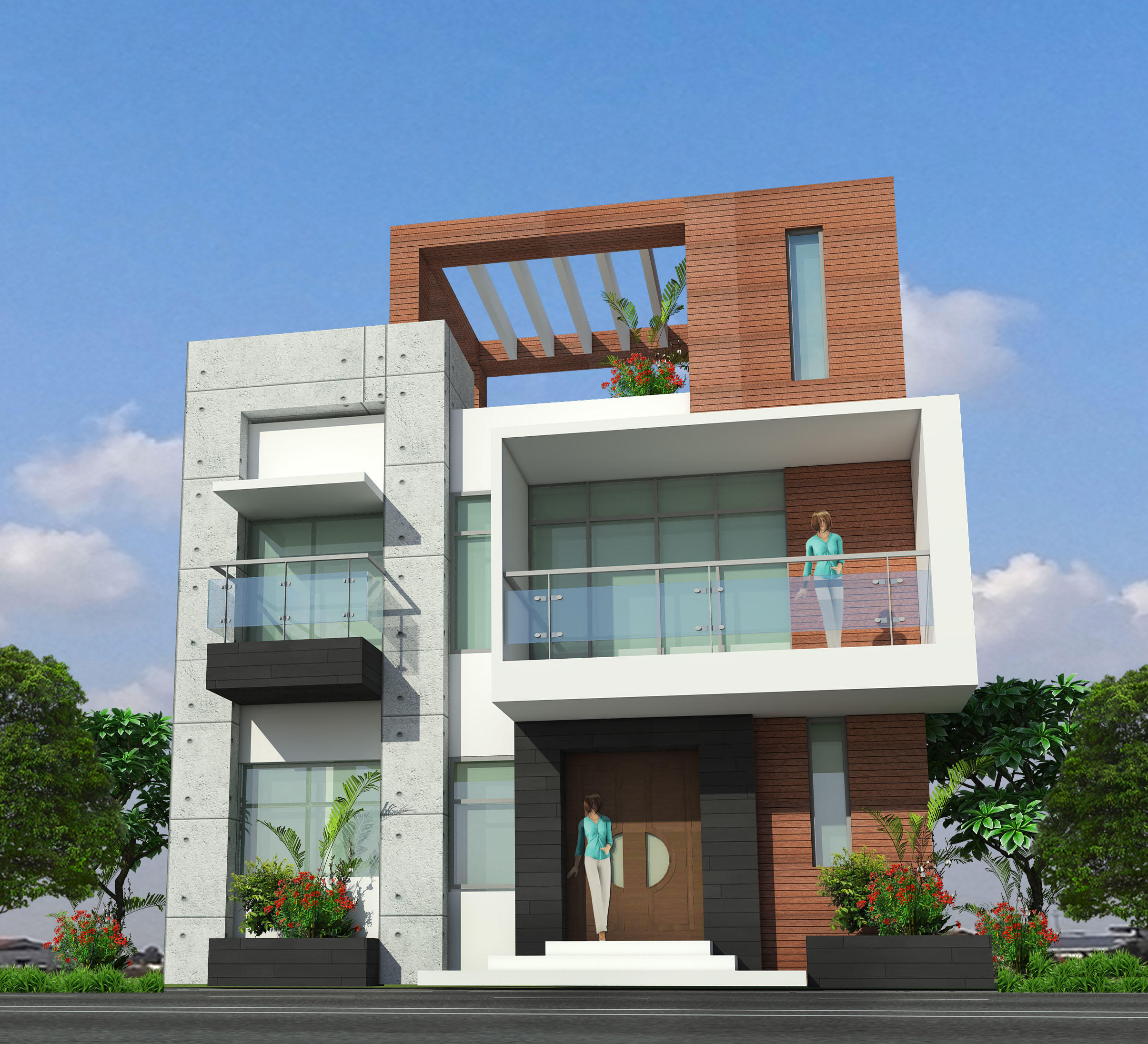
No description available.
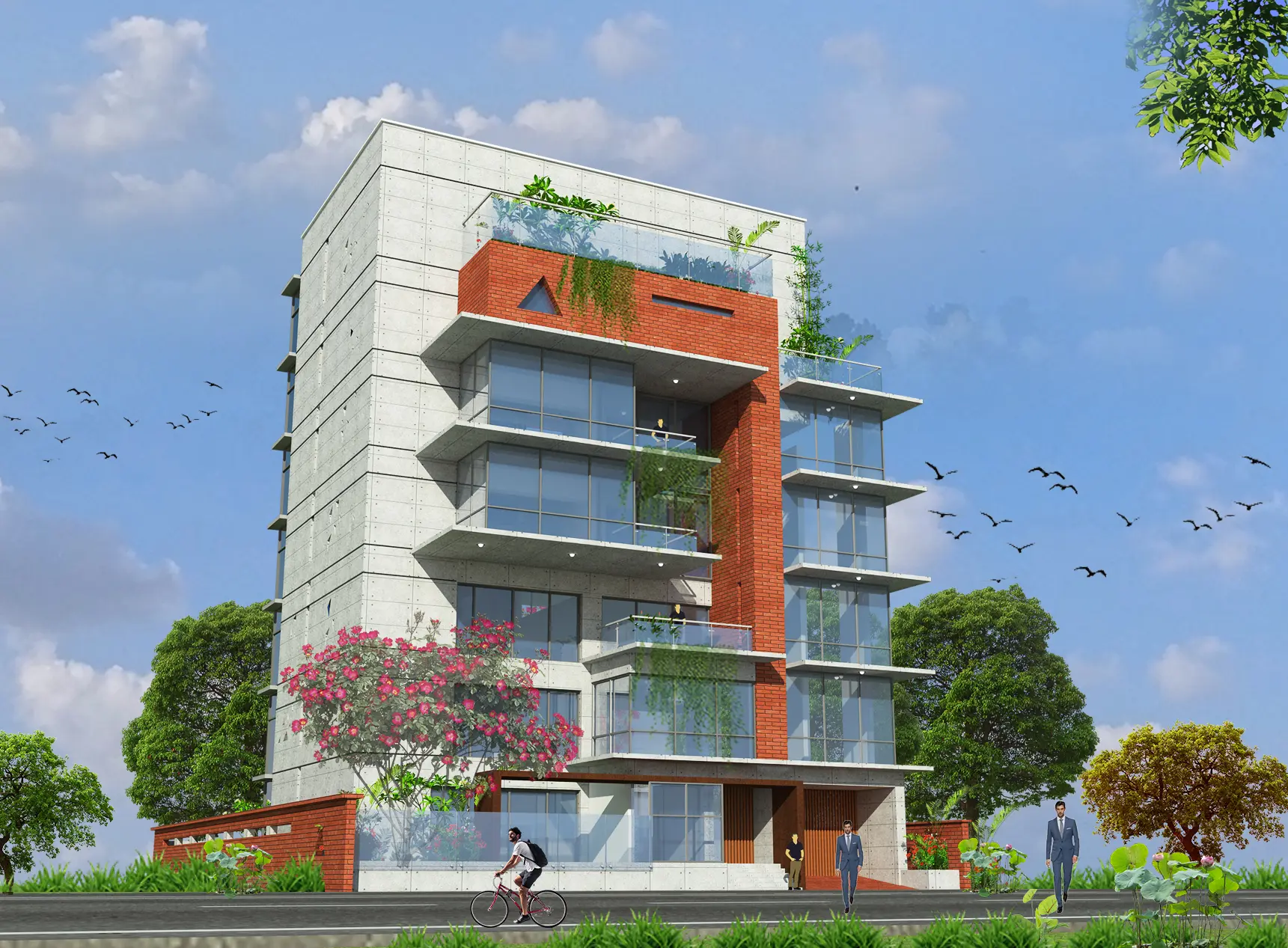
No description available.
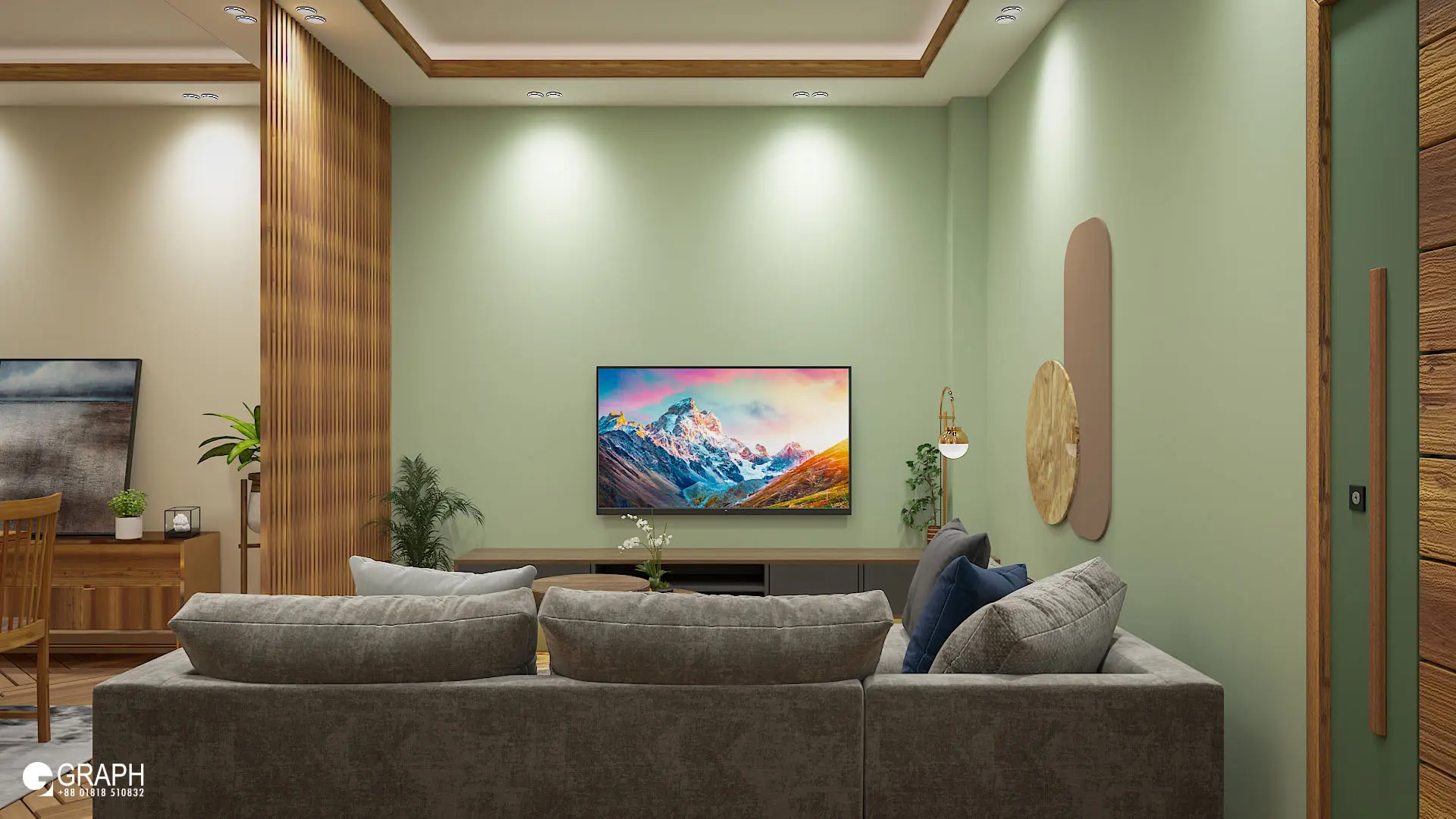
This Scandinavian-style interior emphasizes calmness, simplicity, and a strong connection to natural materials. The space is organized with an open-plan layout that visually connects the dining, living, and kitchen areas, enhancing spatial flow and functionality. A soft, muted color palette—dominated by sage green walls, warm beige cabinetry, and natural wood tones—creates a serene and balanced atmosphere. The use of vertical wooden slats as a partition subtly defines zones without blocking light, maintaining openness while adding texture and rhythm to the interior.
No description available.
No description available.
No description available.
No description available.
No description available.
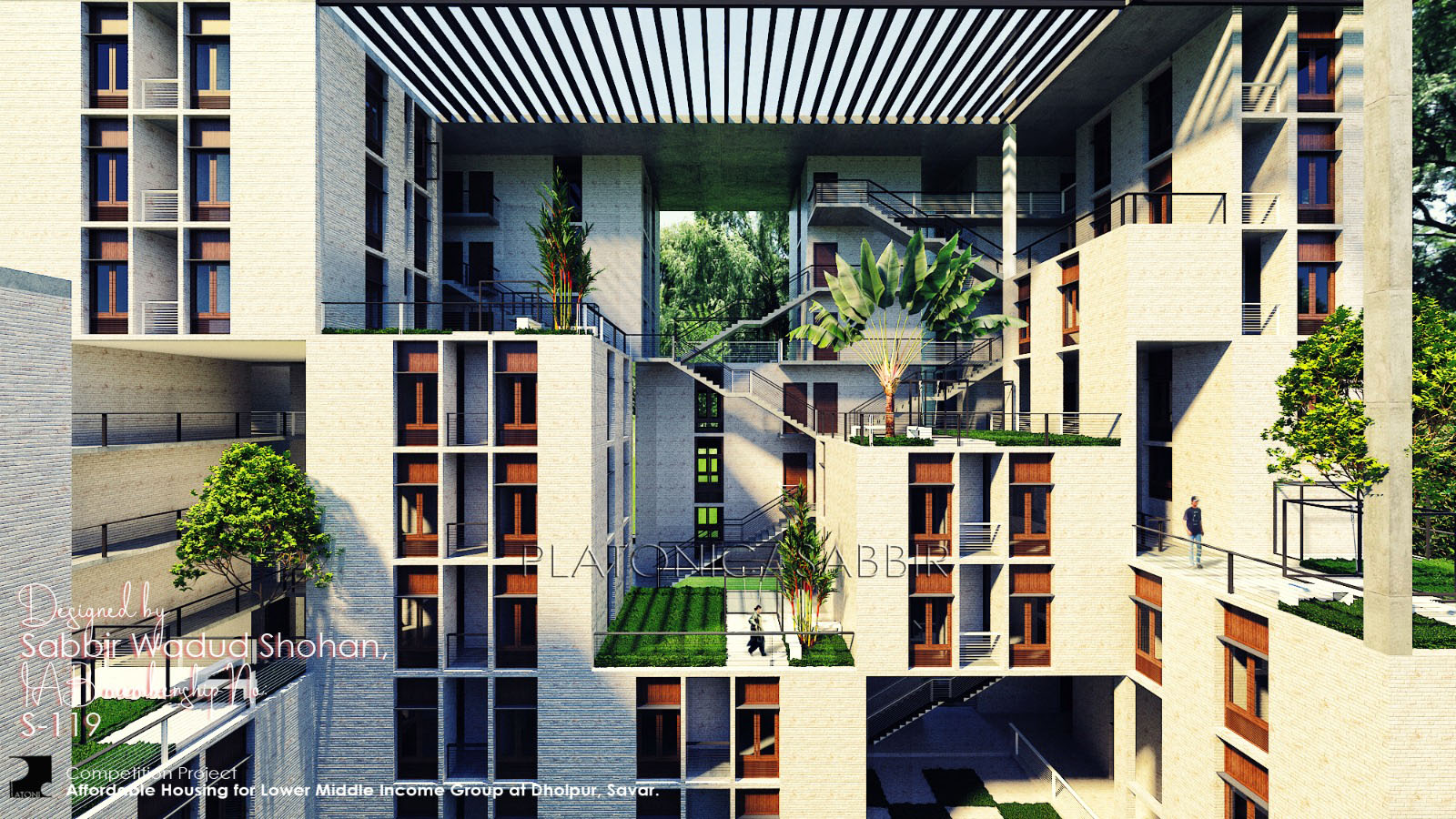
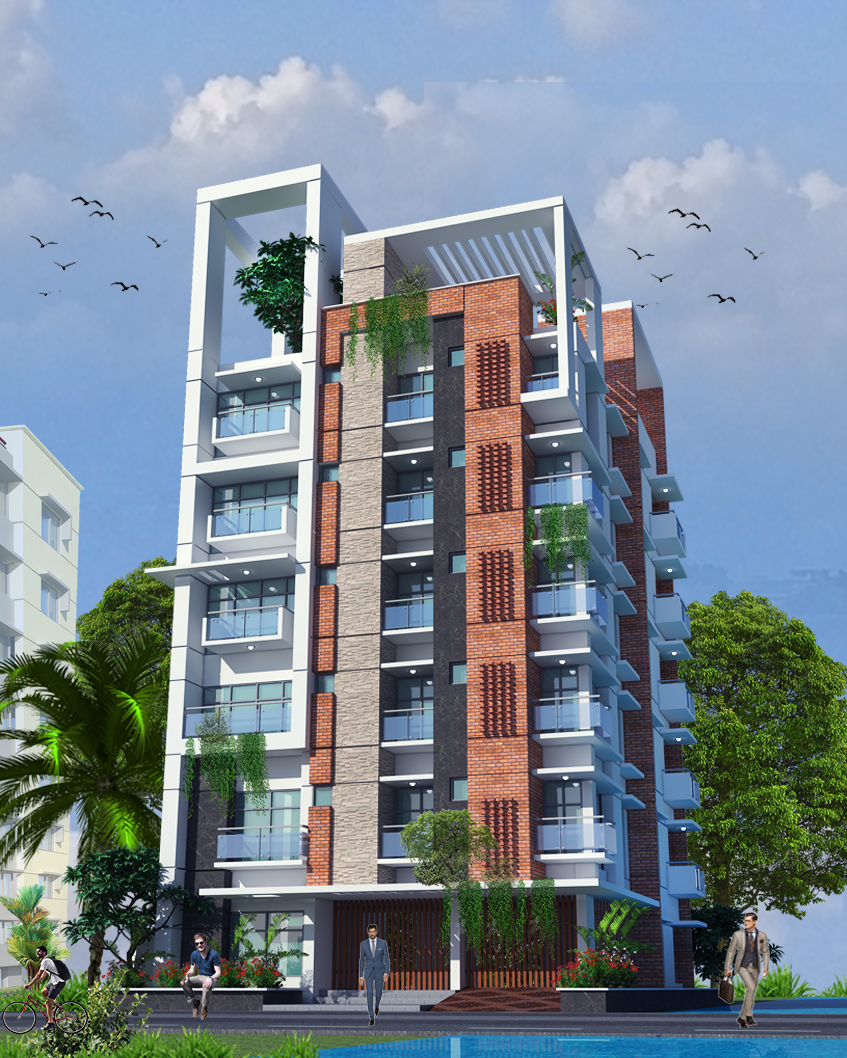
This project, designed by Sabbir Wadud Shohan, is a compelling example of modern social architecture. Titled "Affordable Housing for Lower Middle Income Group at Dholpur, Savar," it balances high-density living with a strong emphasis on human-centric design and environmental integration. The design utilizes clean lines, rectangular geometries, and a repetitive modular logic. The facades appear to be finished in light-colored brick or textured concrete, providing a sense of permanence and thermal mass. This is contrasted by warm wooden louvers and window frames that soften the "brutalist" undertones. Rather than a single massive block, the building is broken into smaller, staggered volumes. This "porous" massing allows for better air circulation and natural light penetration—crucial for high-density housing in a tropical climate like Bangladesh.
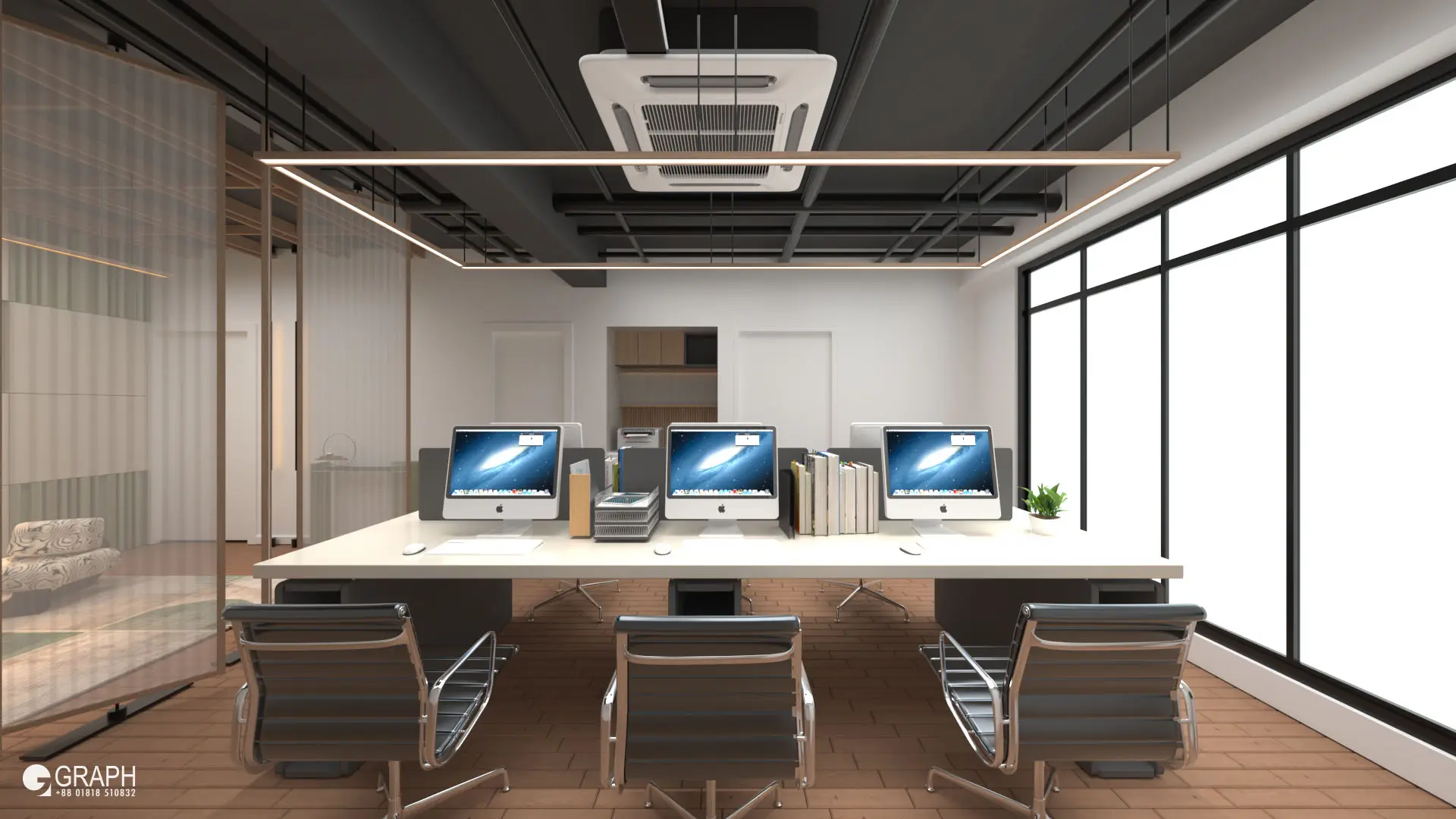
<p><strong>GRAPH</strong> Architecture & Interior embodies a design philosophy where structural precision meets creative artistry. From the initial conceptual blueprints to the final construction and handover, our team ensures a seamless architectural journey characterized by bold, contemporary aesthetics. This interior showcase highlights our ability to balance geometric complexity—seen in the multi-textured wooden feature wall—with the soft, curvilinear forms of bespoke furniture. By blending tactile materials with innovative lighting solutions, we create spaces that are not only functional but also serve as a physical testament to our commitment to high-end architectural craftsmanship.</p>
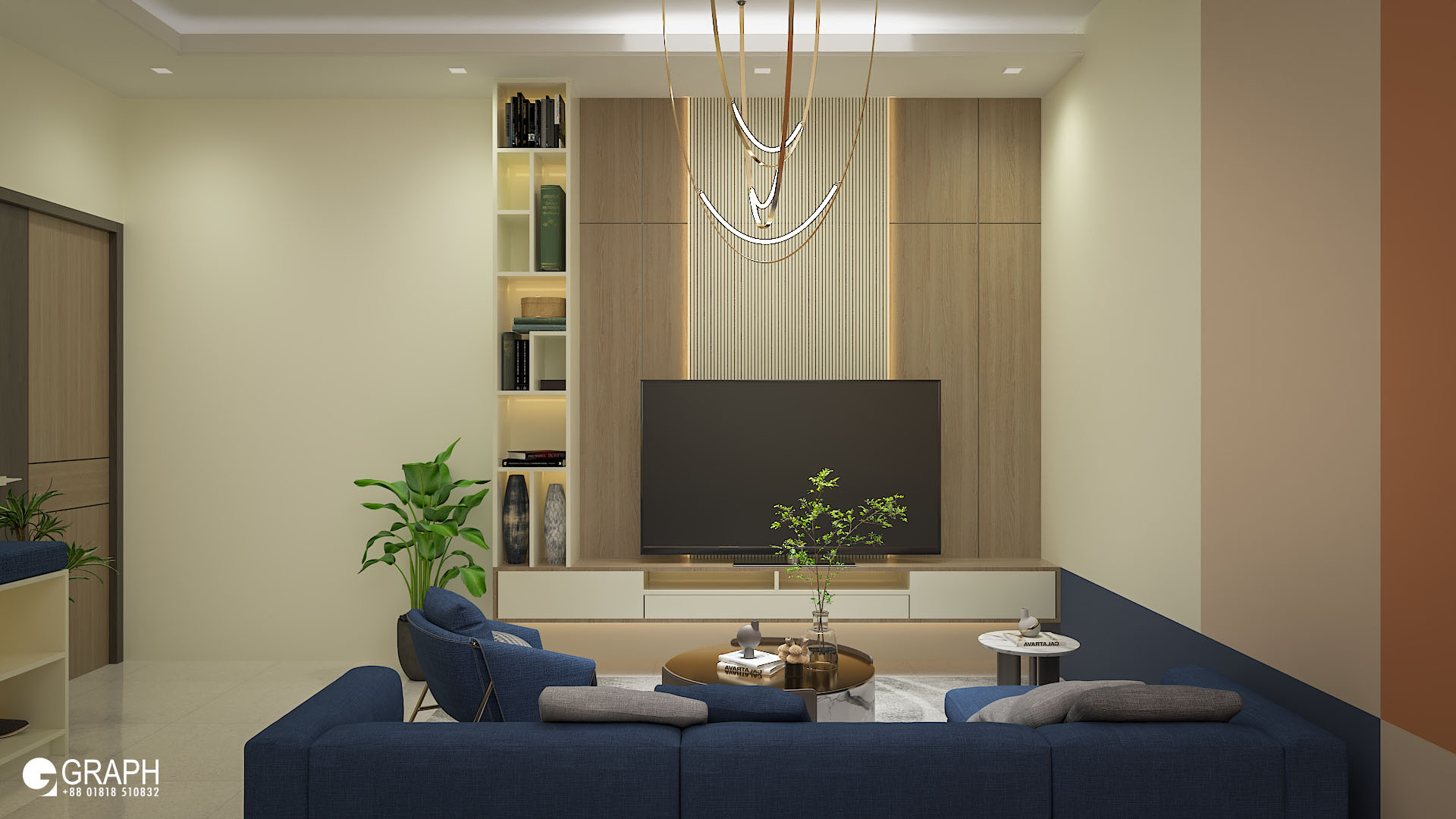
This economical-style interior is designed with a clear focus on functionality, affordability, and efficient use of space, without compromising visual comfort. The layout follows a compact open-plan arrangement where the dining and living areas are closely integrated, reducing unnecessary partitions and maximizing usable floor area. Neutral wall colors combined with light wood finishes help reflect natural and artificial light, making the space appear larger and brighter while keeping material and finishing costs controlled.
No description available.
No description available.
No description available.
No description available.
No description available.
No description available.
No description available.
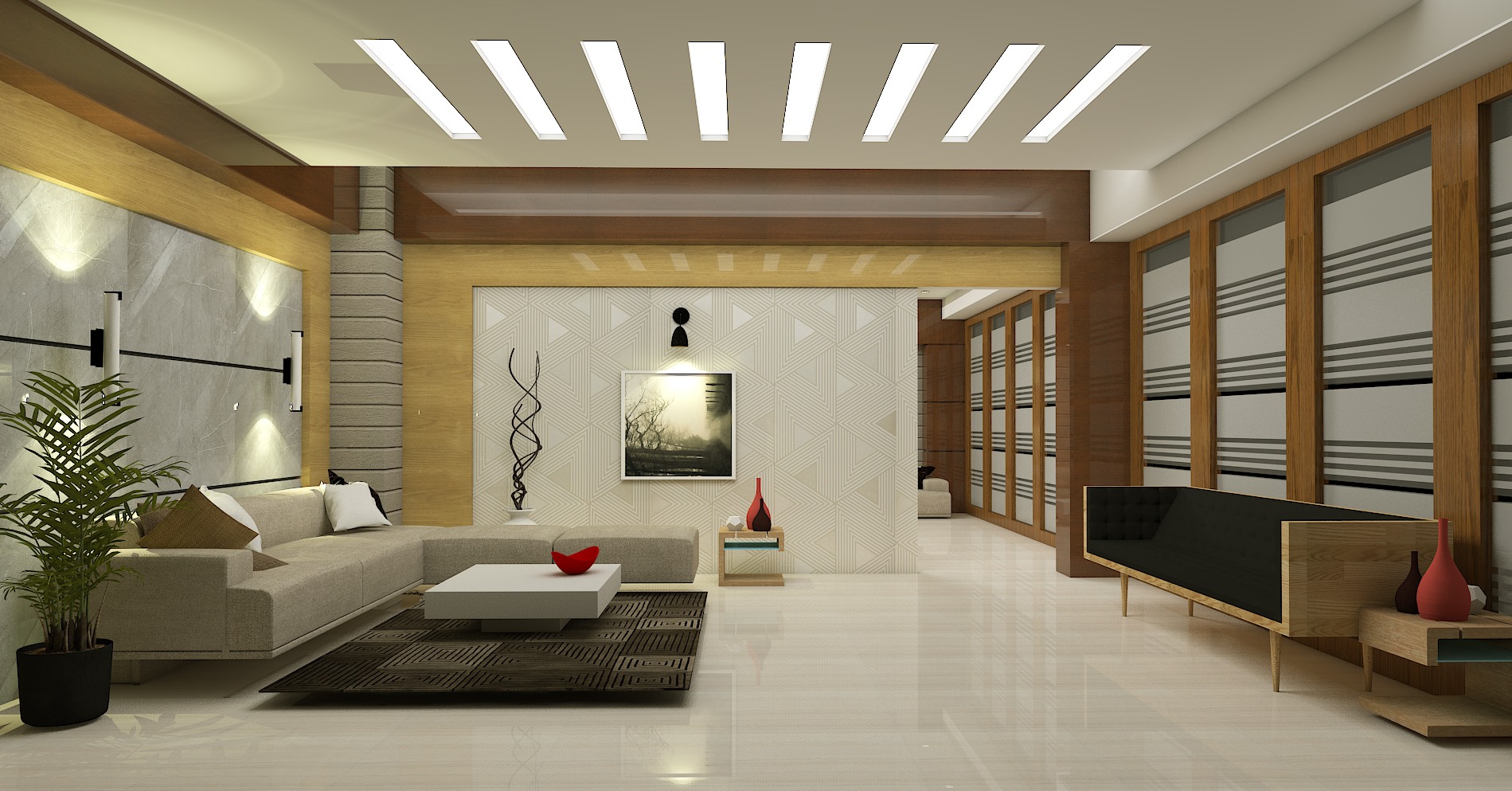
No description available.
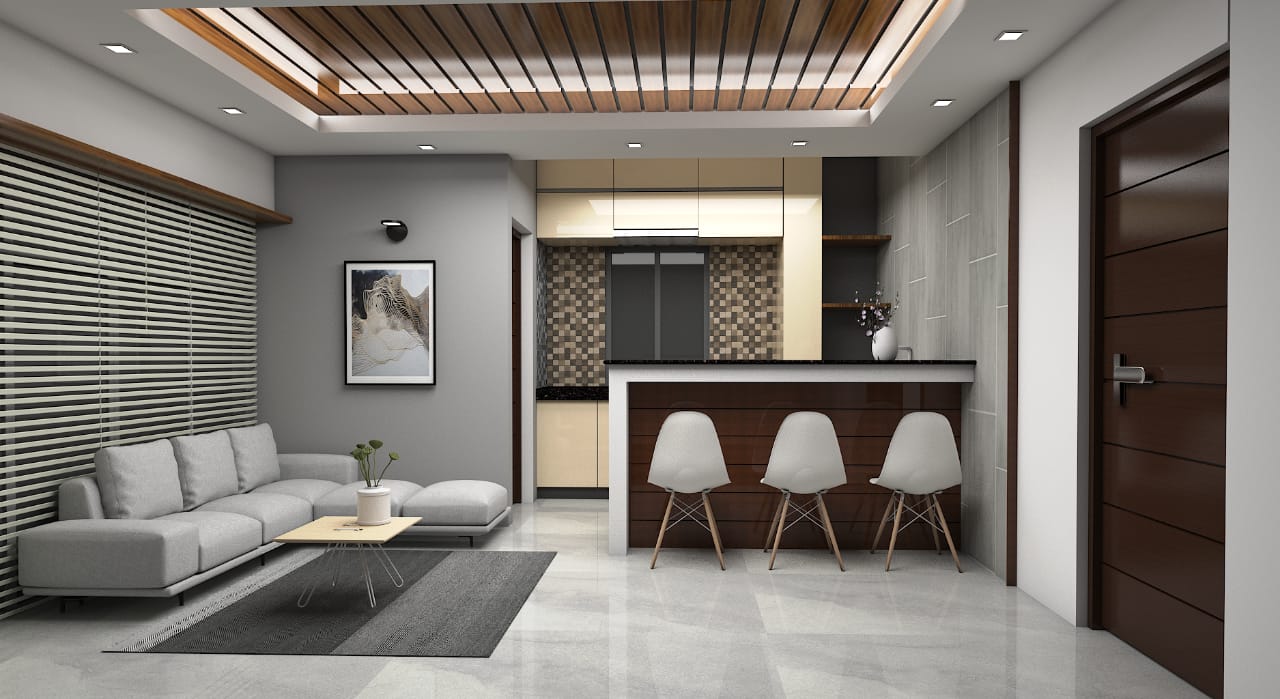
No description available.
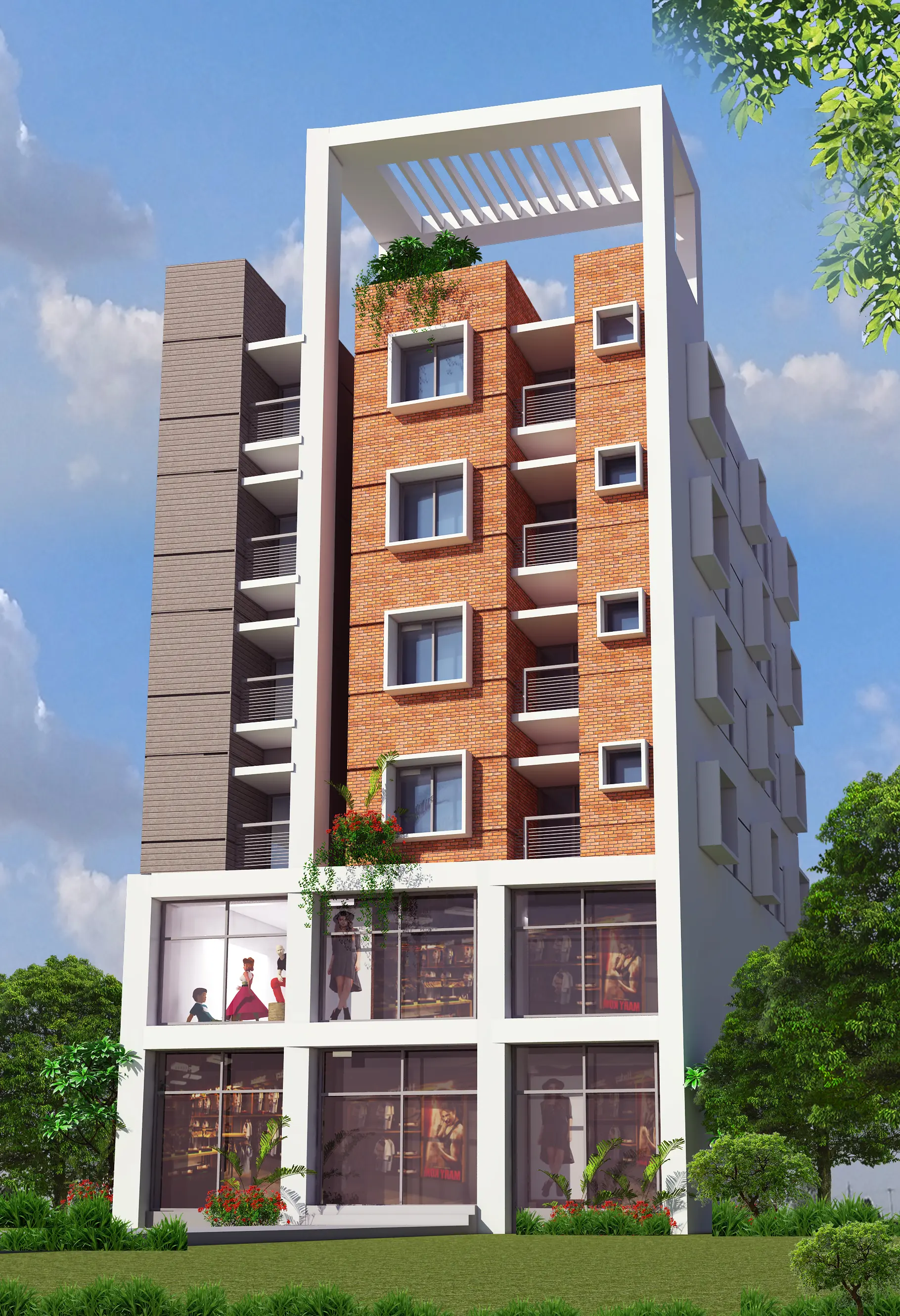
No description available.
Interior
Crafting interior spaces that balance aesthetics with functionality.
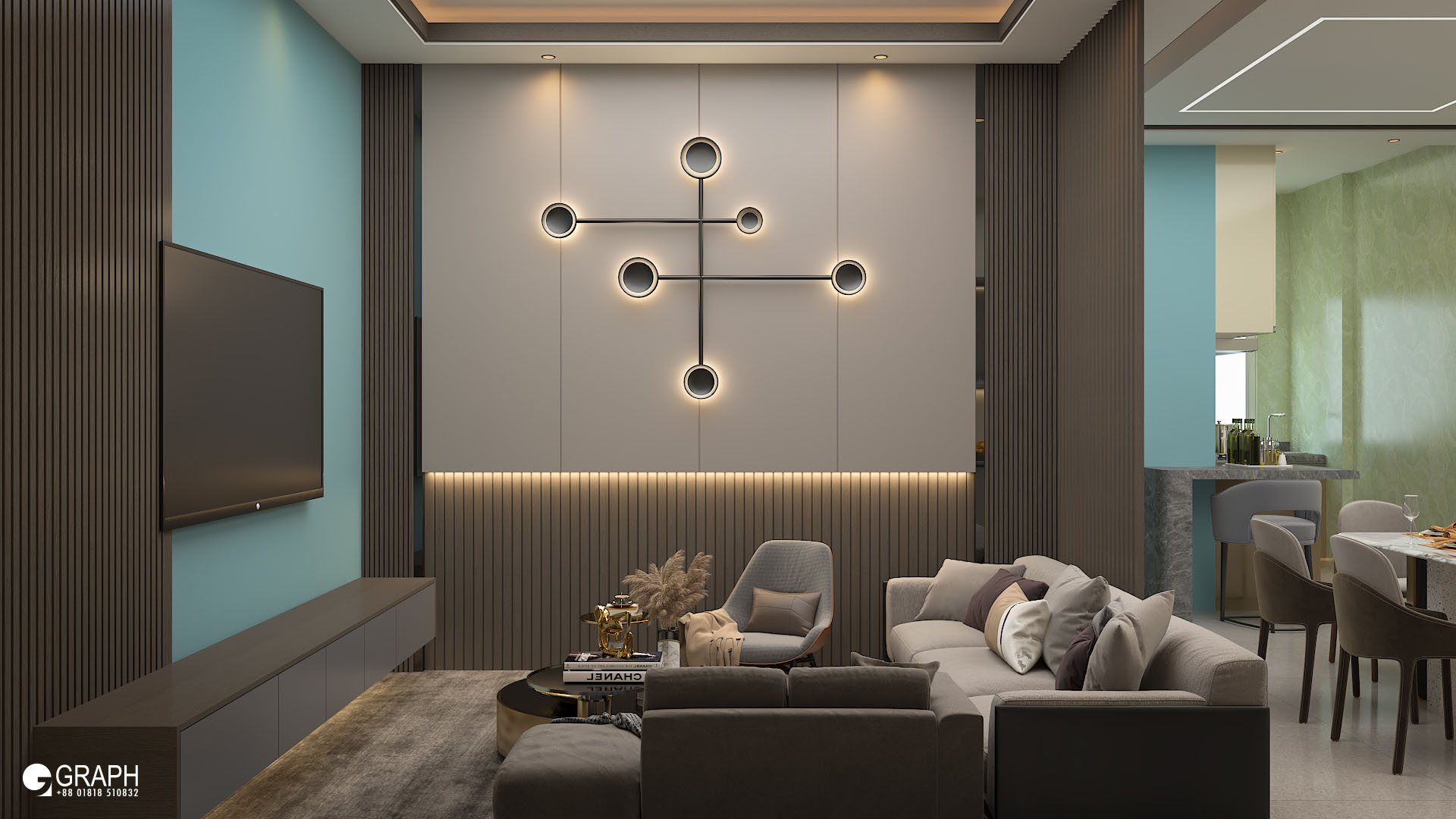
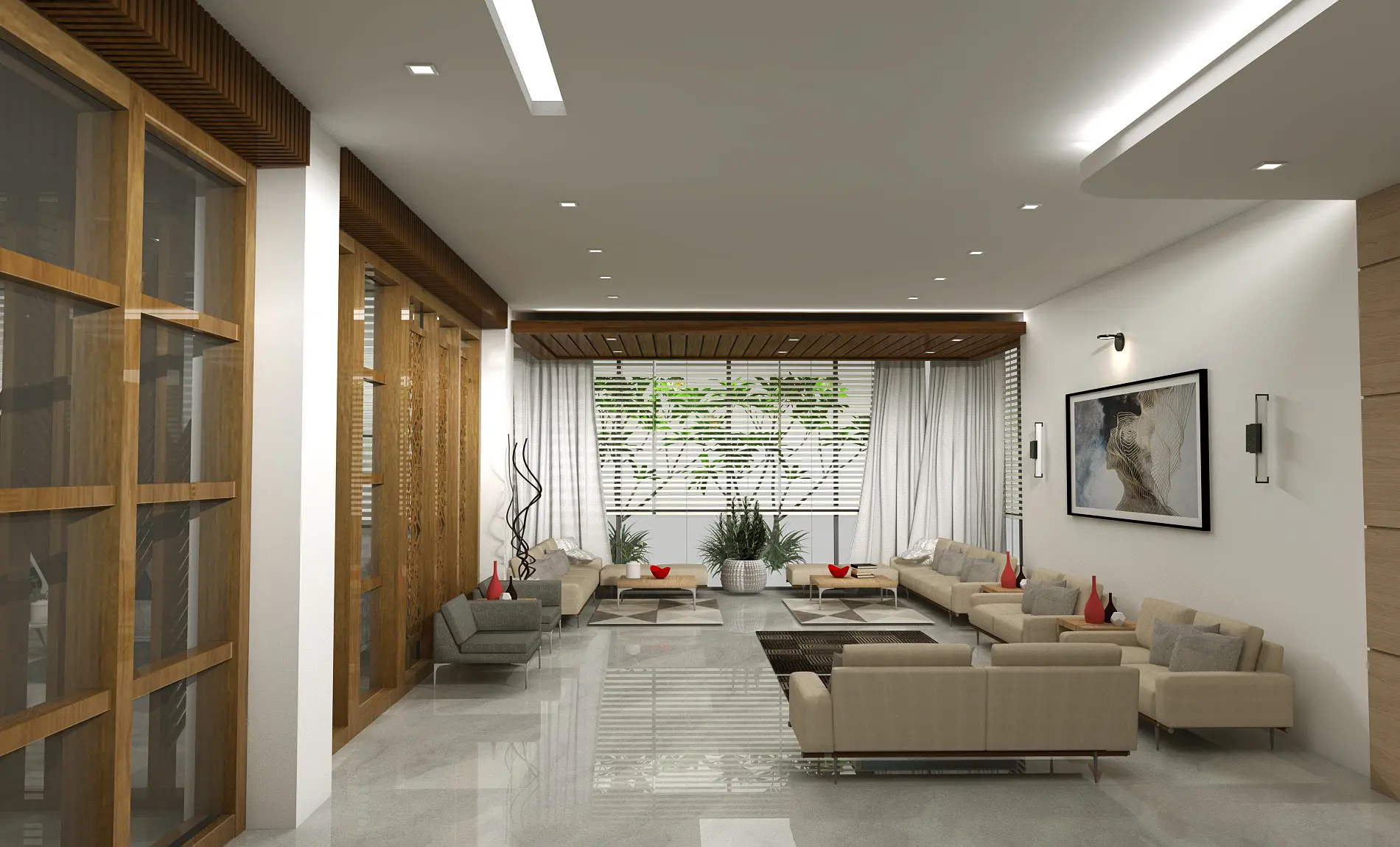
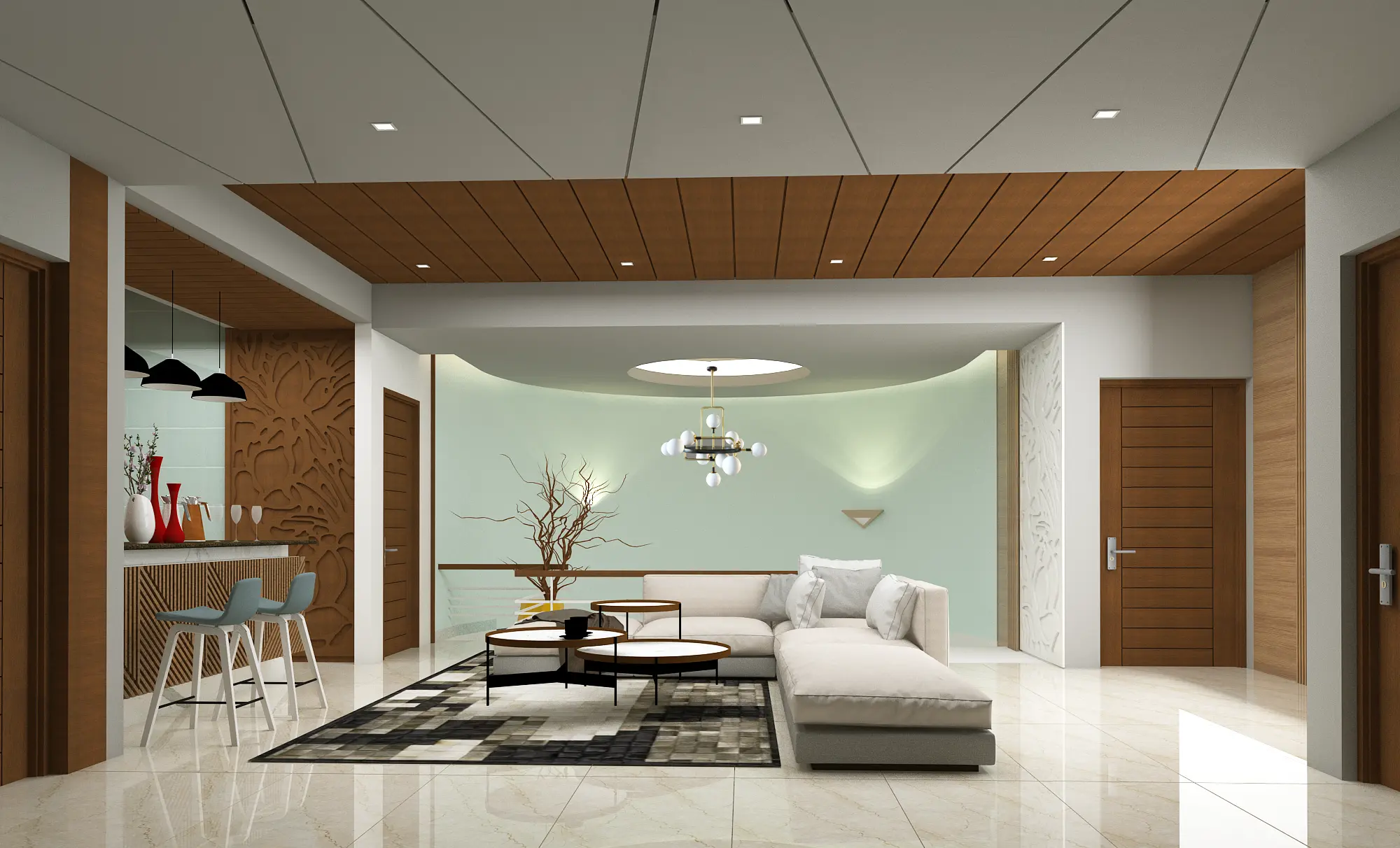
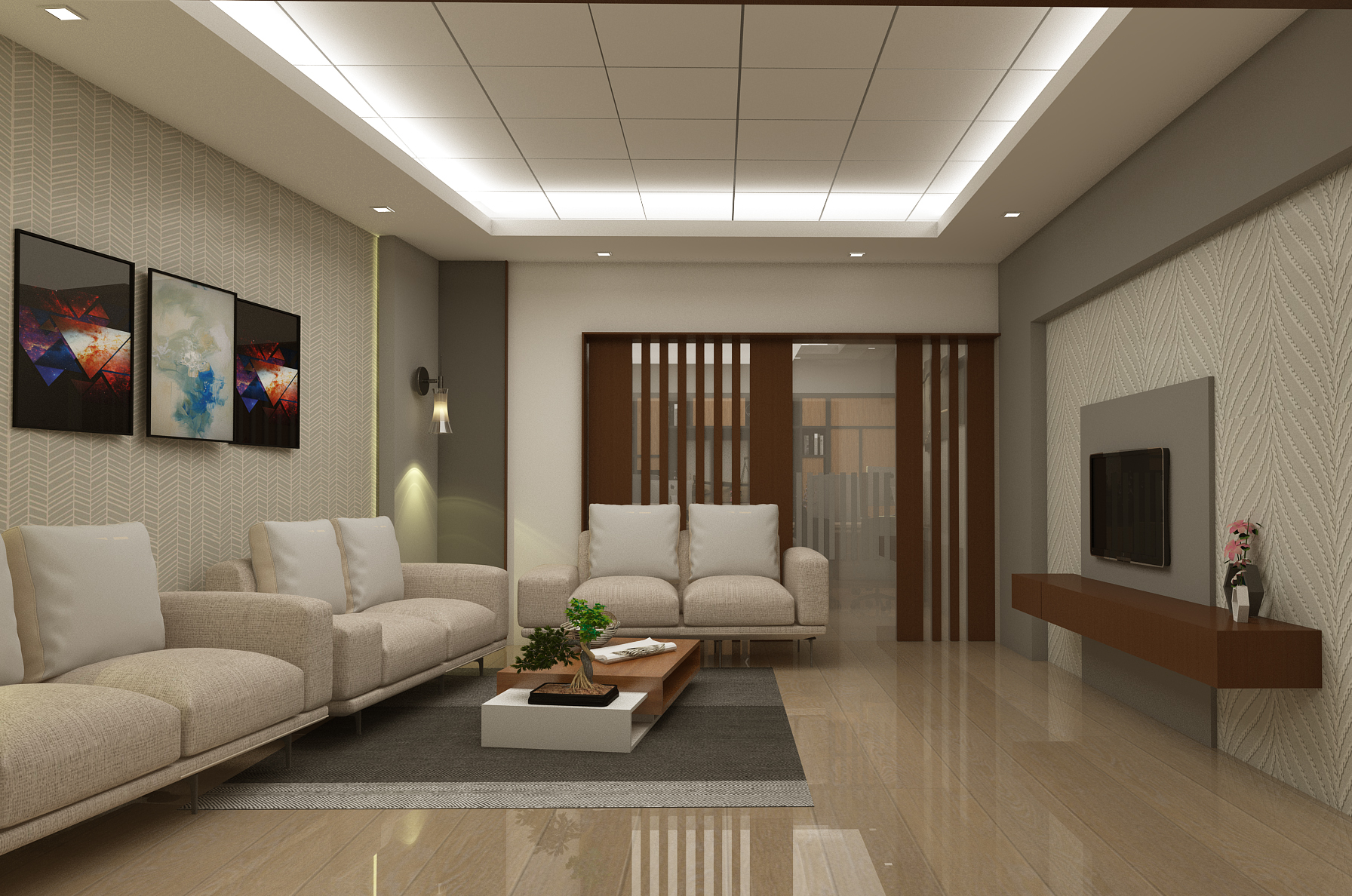
From an architectural standpoint, the project excels in its use of verticality and zoning within an open-plan layout. The design utilizes floor-to-ceiling slatted wood partitions to create "soft" boundaries, allowing light and sightlines to pass through while clearly defining the transition between the living and dining areas. The ceiling architecture is particularly noteworthy; it features recessed tray designs with integrated cove lighting and linear LED tracks that reinforce the rectangular geometry of the rooms. The focal point of the lounge is a large-format wall panel that acts as a canvas for a sculptural, geometric light fixture, providing a structural anchor that balances the asymmetrical placement of the television on the adjacent teal-accented wall.
No description available.
No description available.
No description available.
No description available.
No description available.
No description available.
No description available.
No description available.
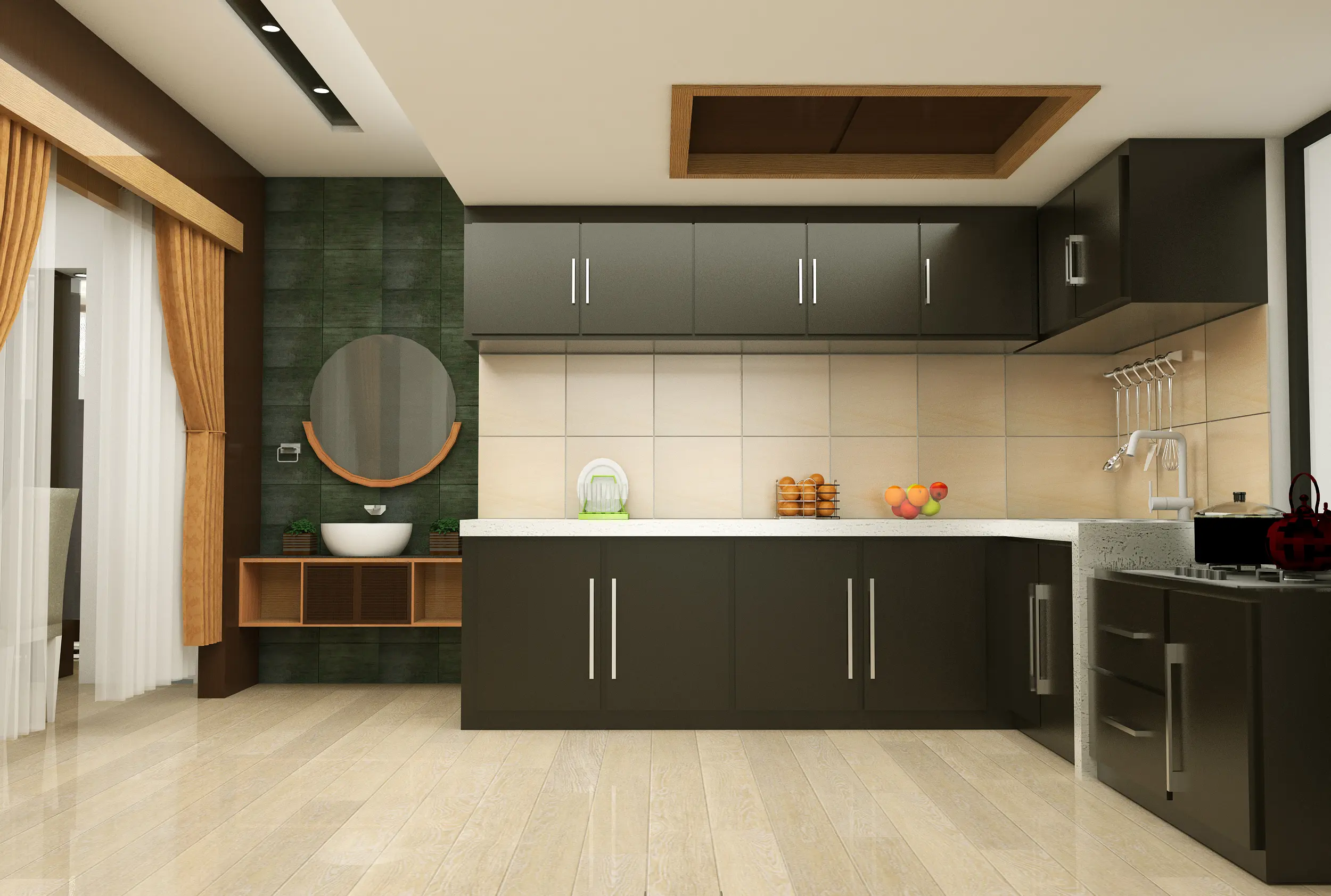
No description available.
Landscape
Public space and landscapes are architectural urban assets…
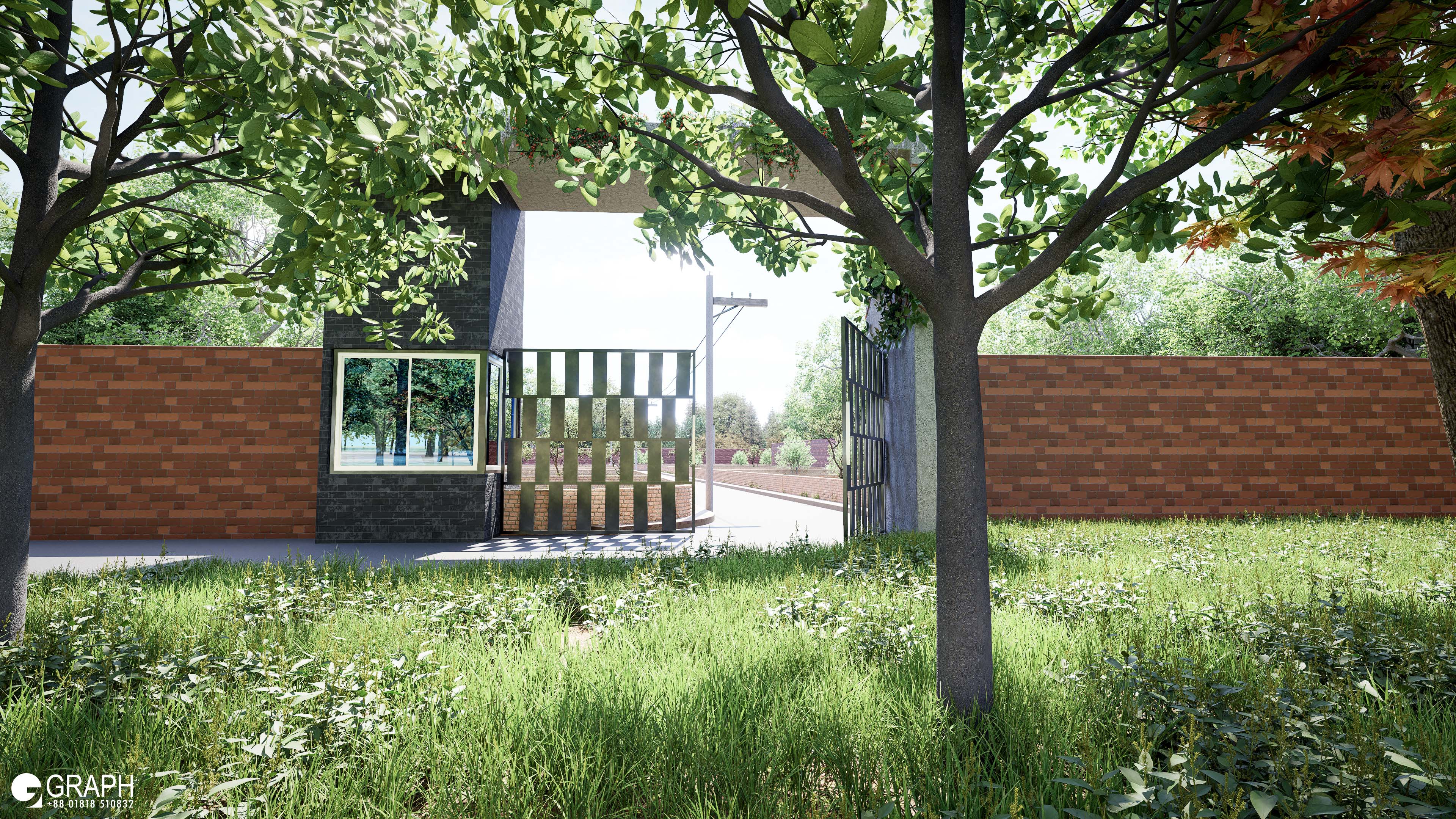
The colony is architecturally structured around a centralized T-junction road network, which serves as the primary artery for the community. This layout ensures that every individual plot has direct road access while maintaining a clear hierarchy between public transit paths and private residential boundaries. The site is enclosed by a continuous perimeter brick masonry wall, providing both security and a unified visual identity for the group. Strategically placed green buffers and existing mature trees are integrated into the master plan, suggesting a design philosophy that respects the natural topography while providing a serene, secluded environment for the residents.
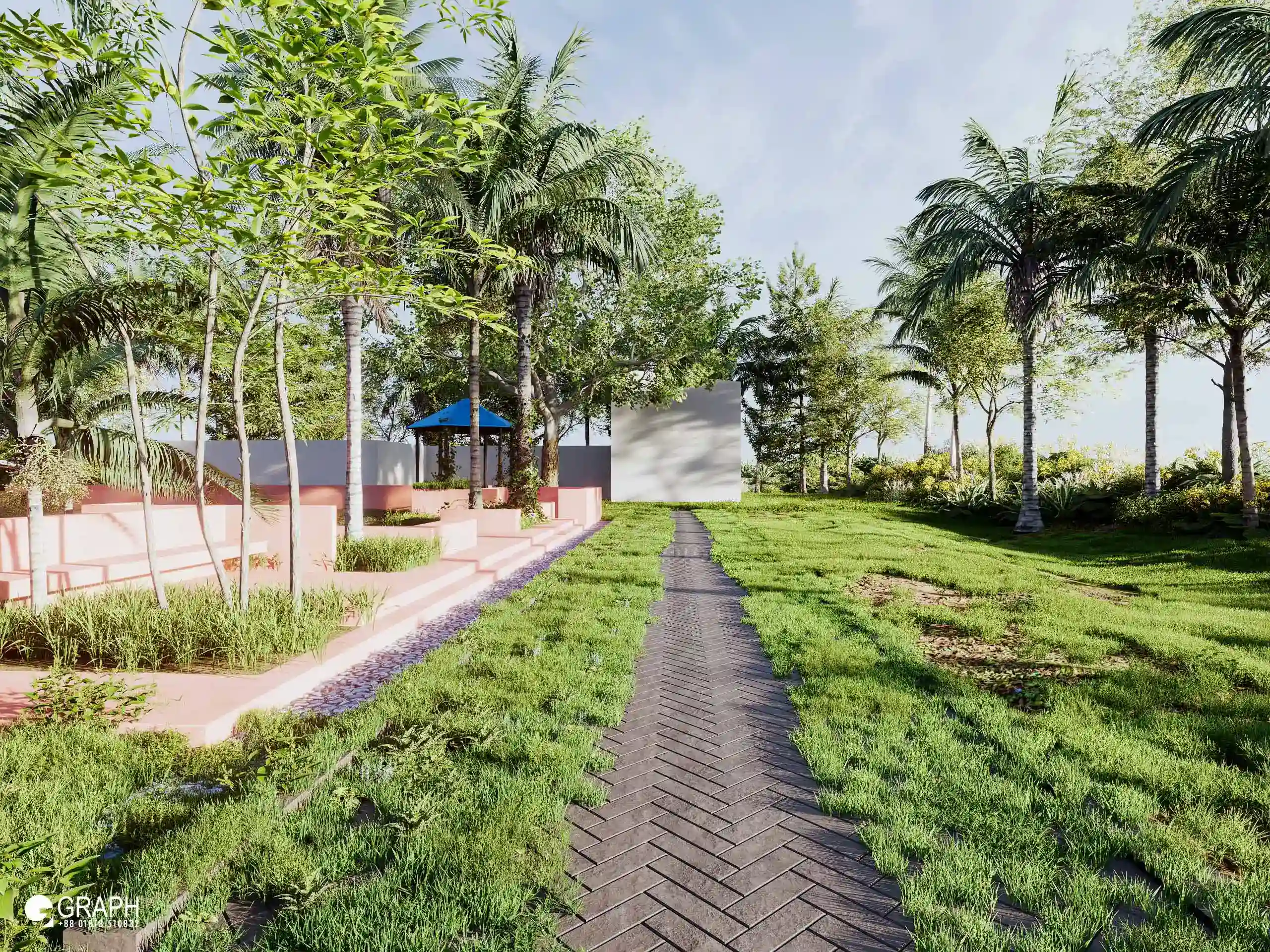
This project showcases an evocative landscape intervention where geometric structure meets the fluid serenity of a pond ecosystem. The architectural focal point is a modern, elevated pavilion featuring a minimalist blue canopy that provides a high-contrast visual anchor against the surrounding verdant greenery. Deep terracotta-hued concrete walls and terraced steps define the pond's edge, creating a rhythmic, brutalist-inspired boundary that transitions into the water. By utilizing tiered levels and reflective surfaces, the design maximizes spatial depth, offering multiple vantage points that encourage a slow, meditative engagement with the environment.